

-

-

-
 2026-01-04MEGA Series Zinc-Aluminum-Magnesium (ZAM) High-Strength Steel Formwork: A Practical and Easy Guide for the Construction & Formwork IndustryREAD IT >
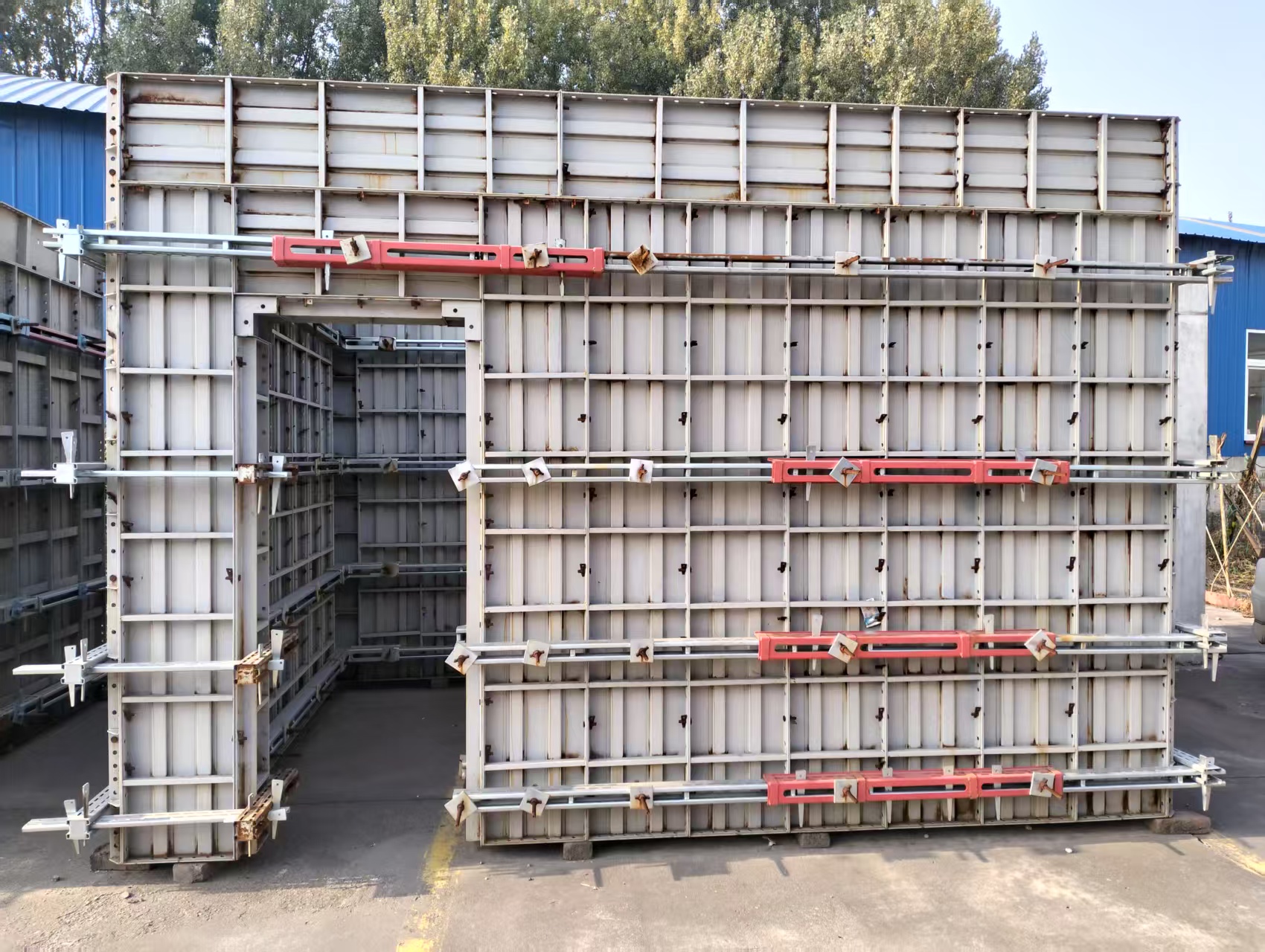
Aluminum formwork is widely used in residential and commercial concrete construction because of its lightweight panels, high repetition, and standardization. However, its high cost can be a significant concern, especially for projects with limited repetition or phased construction.
For contractors and developers looking for a cost-efficient alternative, Zinc-Aluminum-Magnesium (ZAM) formwork provides a practical solution, combining reduced costs with durability, compatibility, and flexibility.
I. Why Cost Matters in Formwork Selection
While aluminum formwork offers efficiency in high-repetition projects, the initial investment is often high. For small- to medium-scale projects, or low-rise buildings where repetition is limited, the return on investment can be suboptimal.
Choosing a formwork system with lower upfront cost can:
a. Reduce cost in materials
b. Allow more projects to run in parallel
c. Improve overall project cash flow
This is where ZAM formwork stands out as a cost-effective aluminum alternative.
II. Comparing Aluminum Formwork and ZAM Formwork
| Factor | Aluminum Formwork | ZAM (MEGA S) Formwork |
| Cost | High | Lower(≈30–40% savings depending on project) |
| Panel Weight | Very light | Light(~22 kg/m², easy for manual handling) |
| Reuse | High | Comparable (≈200 cycles) |
| Flexibility | Medium | High (supports phased construction & mixed systems) |
| Compatibility | / | Fully compatible with aluminum systems |
III. Other Advantages of ZAM Formwork
1.Lightweight & Easy to Handle
Manual handling reduces labor costs and installation time.
2.High Load Capacity
Suitable for residential and commercial projects with robust structural performance.
3.hased Replacement & Mixed Use
Can be integrated gradually with aluminum formwork without redesign.
4.Corrosion Resistance
Zn-Al-Mg coating extends lifespan, especially in humid or coastal environments.
IV. When to Consider ZAM as an Aluminum Formwork Alternative
ZAM formwork is particularly advantageous when:
a. Reducing upfront material costs is a priority
b. Low-rise residential or villa projects
c. Mixed aluminum and ZAM systems are needed
By strategically using ZAM formwork, contractors can lower costs, maintain efficiency, and adapt to diverse project needs.
V. MEGA S: Compatible with Existing Aluminum Formwork Systems
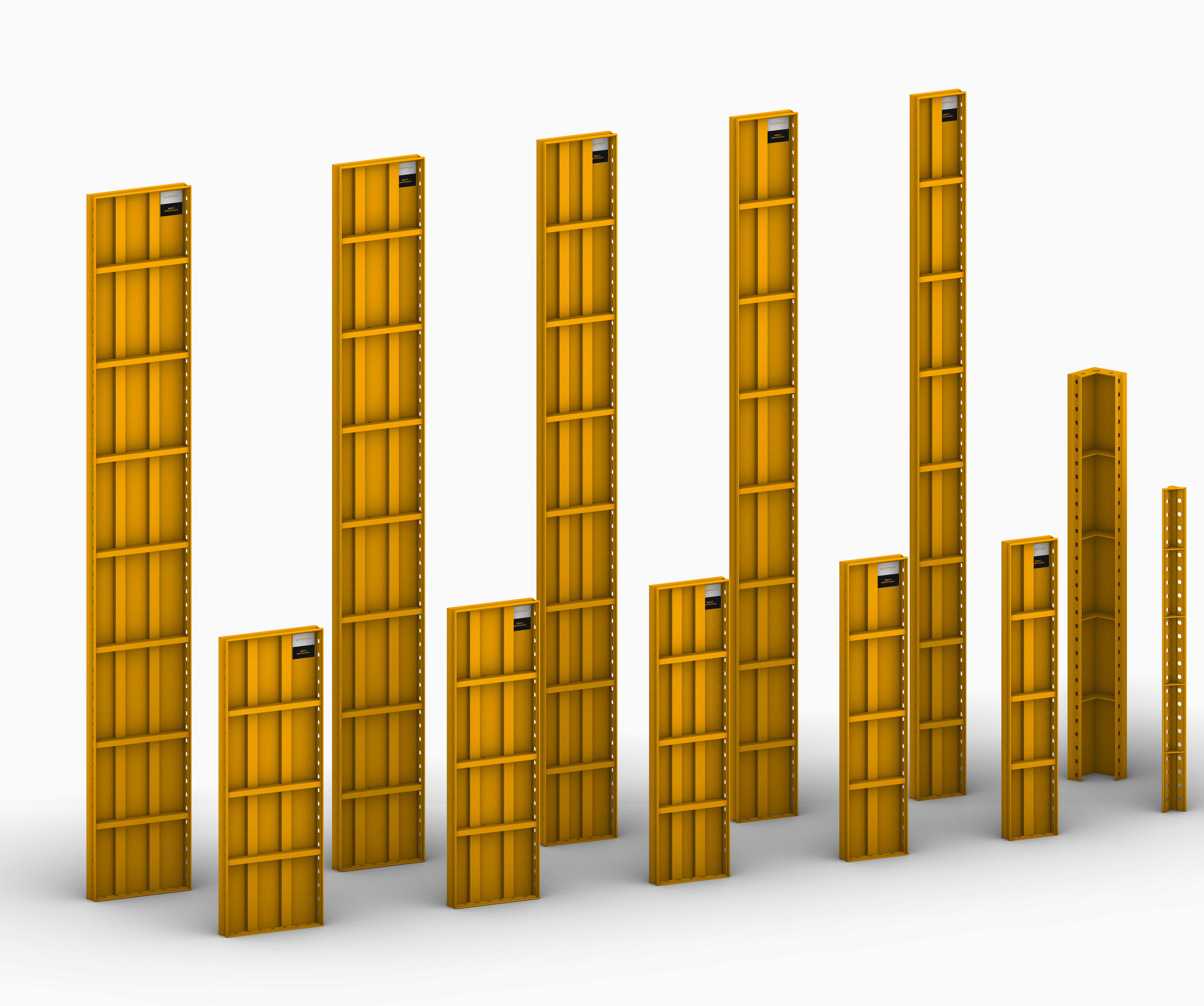
Sampmax MEGA S is a ZAM formwork system designed to fully match the panel and connection methods of mainstream aluminum formwork systems. It can be used together with aluminum formwork in the same project, which brings several practical advantages:
a. No need to replace the entire formwork system at once
b. Gradual replacement per building, zone, or construction phase
c. Minimal impact on existing workflows and personnel
By combining cost-efficiency with compatibility and flexibility, MEGA S allows contractors to optimize projects without disrupting ongoing operations.
Final Thoughts
Cost is often the decisive factor in formwork selection. While aluminum formwork remains effective for large, repetitive projects, ZAM formwork offers a practical, cost-efficient alternative for many construction scenarios.
For projects where budget optimization and flexibility are key, considering ZAM as an aluminum formwork alternative can lead to significant savings and operational advantages.