MEGA Series Zinc-Aluminum-Magnesium (ZAM) High-Strength Steel Formwork: A Practical and Easy Guide for the Construction & Formwork Industry

Zinc-aluminum-magnesium (ZAM) coated steel—also known as ZAM steel or ZAM high-strength steel—has been used for years in automotive and protective applications. But in the construction industry, especially in formwork systems, steel formwork, and aluminum formwork replacement solutions, ZAM has only become widely discussed in recent years.

As contractors look for longer-lasting formwork panels, corrosion-resistant steel formwork systems, and cost-efficient alternatives to aluminum formwork, ZAM coated steel is quickly becoming a trending material in modern construction projects worldwide.


  1. What Exactly Is ZAM — and Why Is It Becoming Popular in Formwork Systems?


ZAM is essentially an advanced version of hot-dip galvanized steel, created by adding aluminum and magnesium into the zinc coating. This gives ZAM-coated steel several major advantages that matter to formwork and concrete construction:

a. 2–10× stronger corrosion resistance than standard galvanized steel

b. Superior salt-spray performance, ideal for coastal construction project

c. “Self-healing” edge protection after cutting or machining

d. A smoother and more durable surface, ideal for high-turnover formwork panels

e. Significantly longer service life in concrete works


Because aluminum formwork has become increasingly expensive worldwide, ZAM high-strength steel formwork panels offer a more cost-effective alternative. They are fully compatible with aluminum formwork systems, making them a strong candidate for contractors transitioning from aluminum to hybrid or steel formwork systems.

ZAM formwork has seen rapid adoption in the Middle East, Europe, and Southeast Asia, especially in high-rise, housing, and infrastructure projects.


  1. Key Advantages of ZAM High-Strength Steel Formwork


1) Excellent corrosion resistance

ZAM steel performs exceptionally in humid, alkaline, and salt-rich construction environments. For concrete formwork, where repeated contact with wet concrete is common, this resistance extends the lifespan of the panels.

2) Natural “self-healing” on cut edges

After cutting formwork panels or punching holes, magnesium helps form a protective film over exposed steel—reducing rust formation and extending reuse cycles.

3) Better long-term durability and more reuse cycles

Compared with traditional galvanized steel formwork, ZAM maintains panel flatness and coating integrity much longer—an important factor for formwork rental companies and high-turnover construction projects.

4) Lower maintenance cost for formwork systems

The smoother surface makes cleaning concrete residue easier. This reduces repair cost, refurbishment time, and jobsite maintenance work.


  1. Welding Challenges: The Main Limitation of ZAM in Formwork Manufacturing


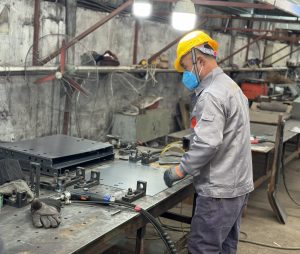
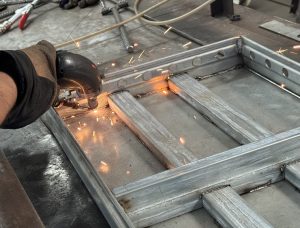
Although ZAM offers superior corrosion resistance, it presents well-known challenges during formwork fabrication, especially in welding. These challenges come primarily from magnesium’s low melting point and volatility.

Common welding problems for ZAM steel formwork include:

1) Increased spatter and unstable welding arcs

Evaporated zinc and magnesium disturb the welding arc, affecting weld consistency.

2) Porosity in weld seams

Gas trapped in the molten pool forms pores that reduce weld strength—critical for load-bearing formwork frames.

3) Risk of micro-cracks

At high heat, zinc/magnesium may penetrate grain boundaries and cause tiny cracks (liquid metal embrittlement), especially concerning for formwork beams, frames, and panels.

4) Unstable spot welding and roll welding

The surface coating interferes with electrical conduction, making welding less predictable.


Industry solutions now include laser welding, coating removal at welding zones, optimized welding wires, low-CO₂ gas mixes, and tight heat-input control.
But even with modern techniques, certain practical limits remain:

a. Weld seams cannot regain ZAM coating protection

b. Large-scale formwork production cannot realistically perform “remove coating → weld → recoat”

c. Construction formwork faces harsher environments than automotive applications

Therefore, ZAM is strong and protective—but welded joints remain the natural weak point in long-term formwork applications.


  1. MEGA S and MEGA Q: Two Engineered Solutions for Modern Concrete Formwork


Understanding that ZAM is a “high-performance but welding-sensitive” material, Sampmax developed two specialized formwork systems to meet different jobsite needs.


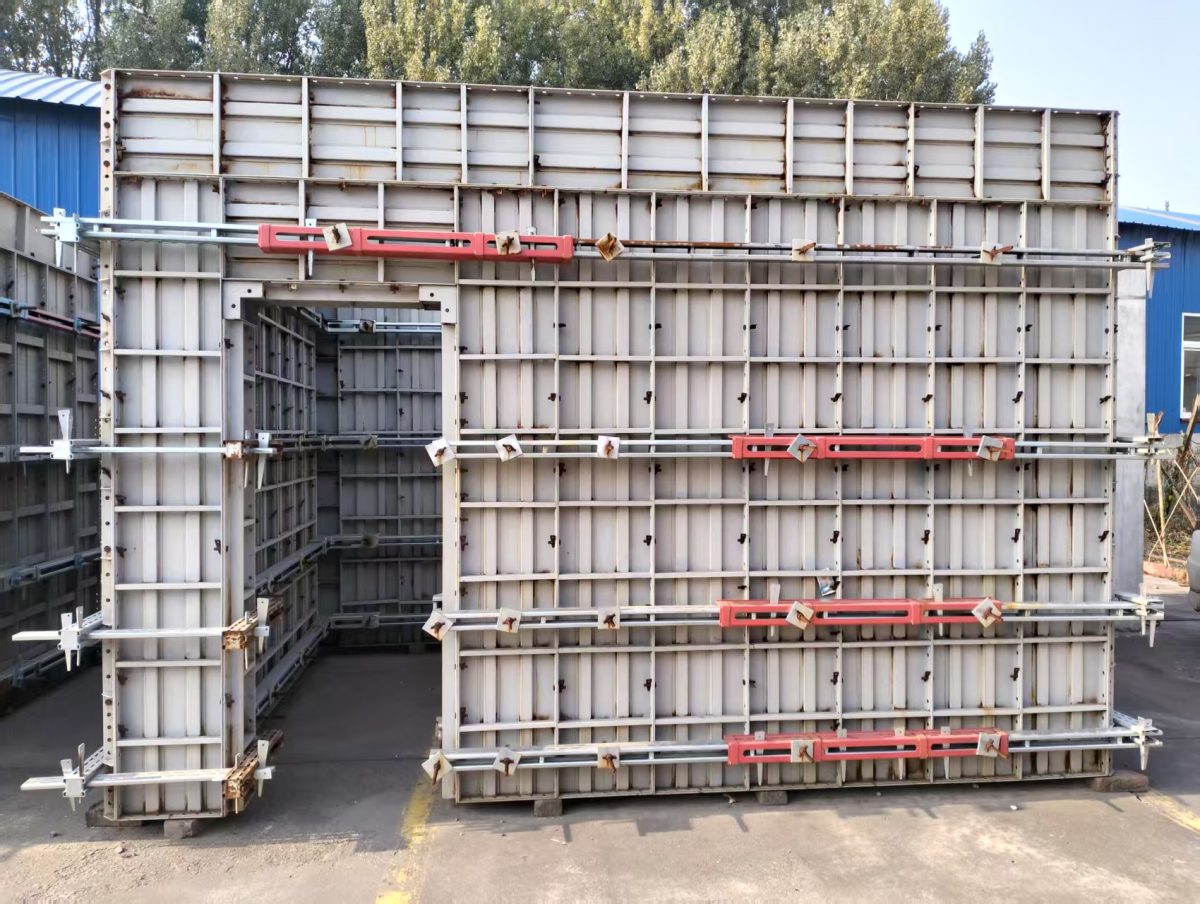
1) MEGA S — ZAM High-Strength Steel Formwork

(Lightweight, economical, compatible with aluminum formwork systems)

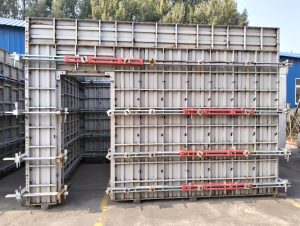
MEGA S is designed for contractors looking for a steel-alternative formwork that matches aluminum formwork dimensions and accessories.

Key benefits:

a. 100% compatible with aluminum formwork systems
Many global contractors use 65 mm formwork frames. MEGA S adopts the same dimension, making it easy to mix with existing aluminum formwork.

b. Lightweight and high strength
Ideal for fast-cycle concrete works and high-rise projects.

c. Great cost-performance ratio
One of the most efficient “steel instead of aluminum” systems on the market.

d. Perfect for standardized formwork systems and contractors transitioning from aluminum formwork.


2) MEGA Q — Q980 High-Strength Steel Formwork

(For heavy-duty, long-term, and coastal construction projects)

To overcome the welding limitations of ZAM, Sampmax developed MEGA Q—a high-strength steel formwork system designed specifically for durability.

Key features:

a. Q980 high-strength steel with excellent weldability
Welding is stable and free from ZAM coating evaporation issues.

b. Full spray-coating protection
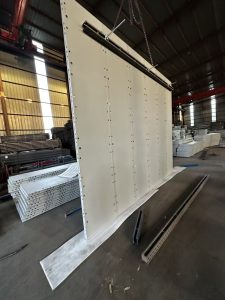
Weld seams, cut edges, and corners are fully coated, solving the biggest weakness of ZAM steel formwork.

c. Consistent appearance and superior durability
Ideal for repeated use, heavy-duty concrete works, and rough handling.


Best suited for:

a. Long-term or large-scale construction projects

b. Marine, coastal, and salt-heavy environments

c. Contractors needing uniform appearance and high durability in their formwork panels


Summary: Two Formwork Solutions Built for Real Construction Needs

-MEGA S delivers maximum compatibility with aluminum formwork systems, offering a lighter, more affordable way to reduce system cost.

-MEGA Q provides the most stable welding quality and long-term corrosion protection, making it ideal for tough environments and high-demand projects.

Both systems have already proven successful in the Middle East, Europe, and Southeast Asia, helping contractors upgrade their formwork systems, reduce maintenance costs, and achieve better lifecycle performance.


For more information, contact us:
Contact Sales

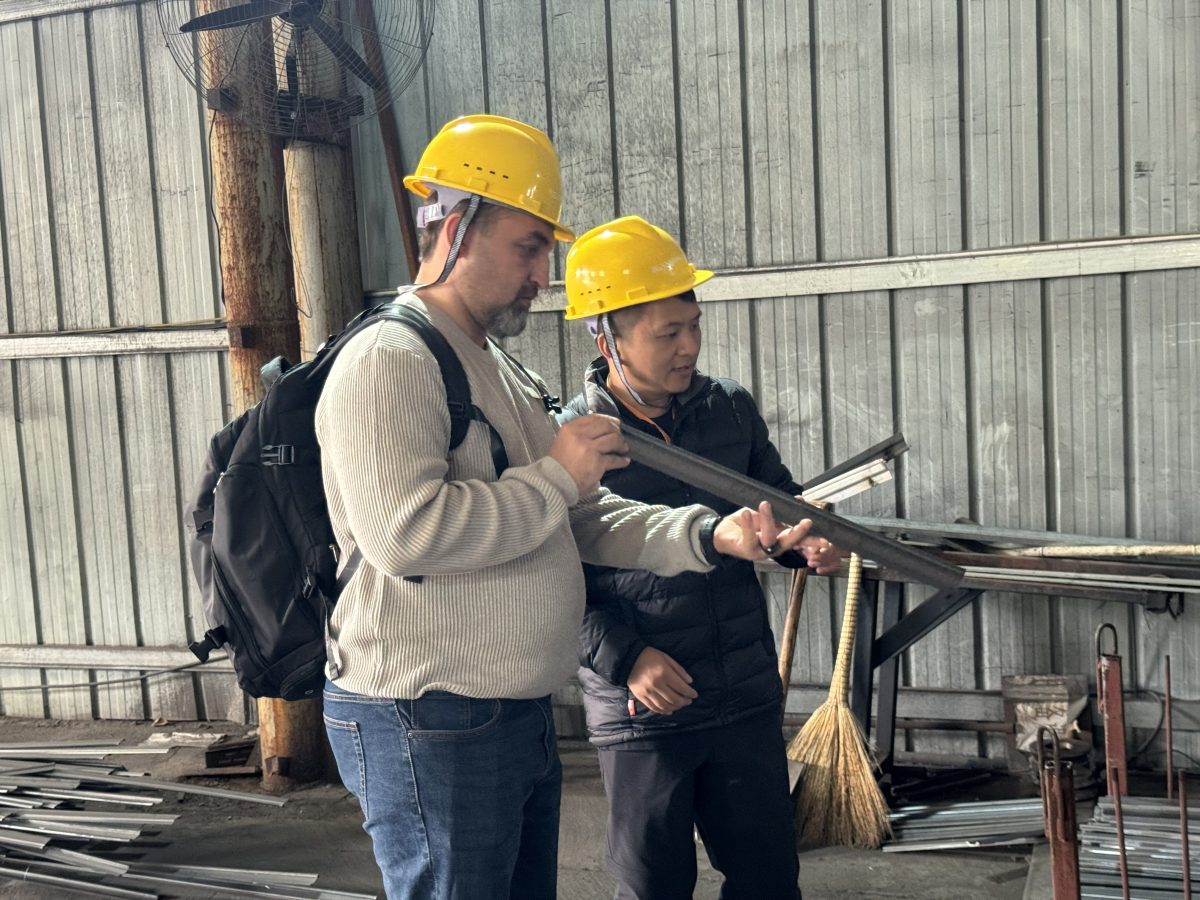
Overseas Clients Visit Sampmax Mega Formwork Workshop

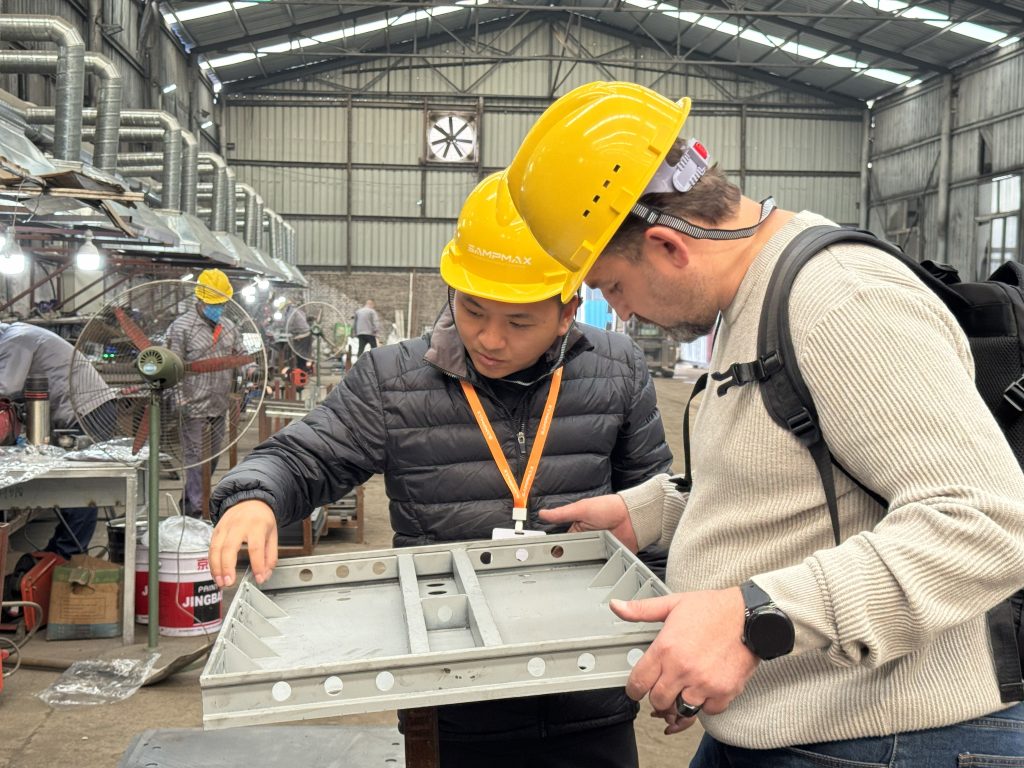
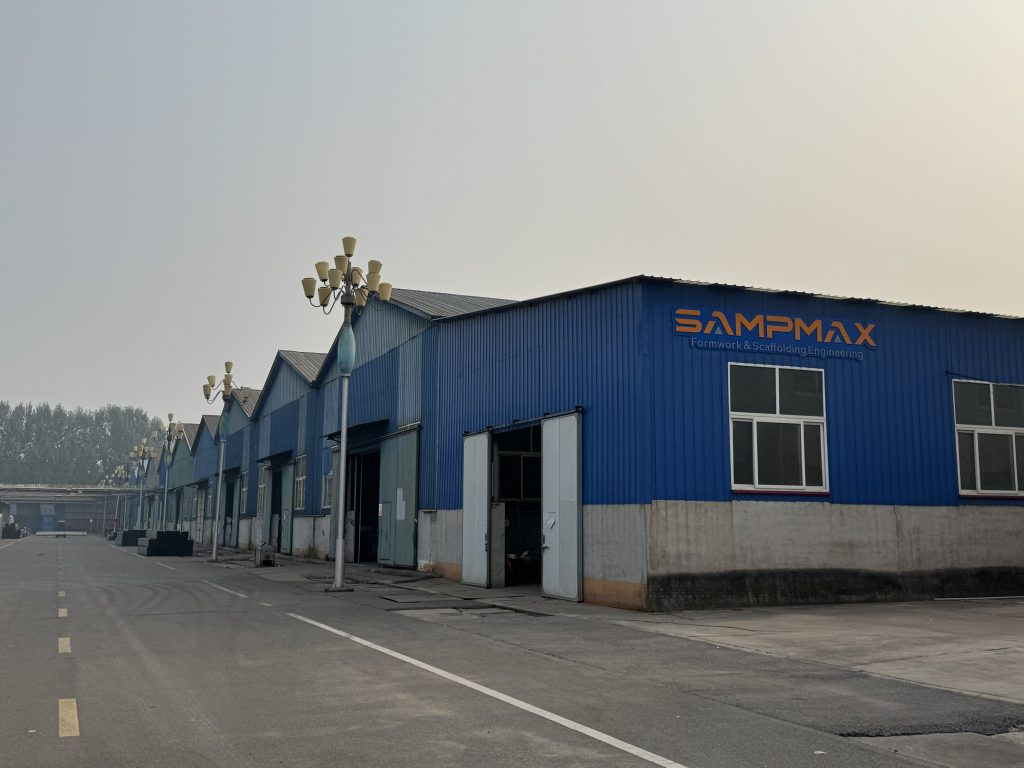
Recently, Sampmax welcomed overseas clients to visit our factory dedicated to the production of the Mega formwork system.


This visit served as a valuable opportunity for both sides to strengthen cooperation and exchange ideas on improving product performance and construction efficiency.


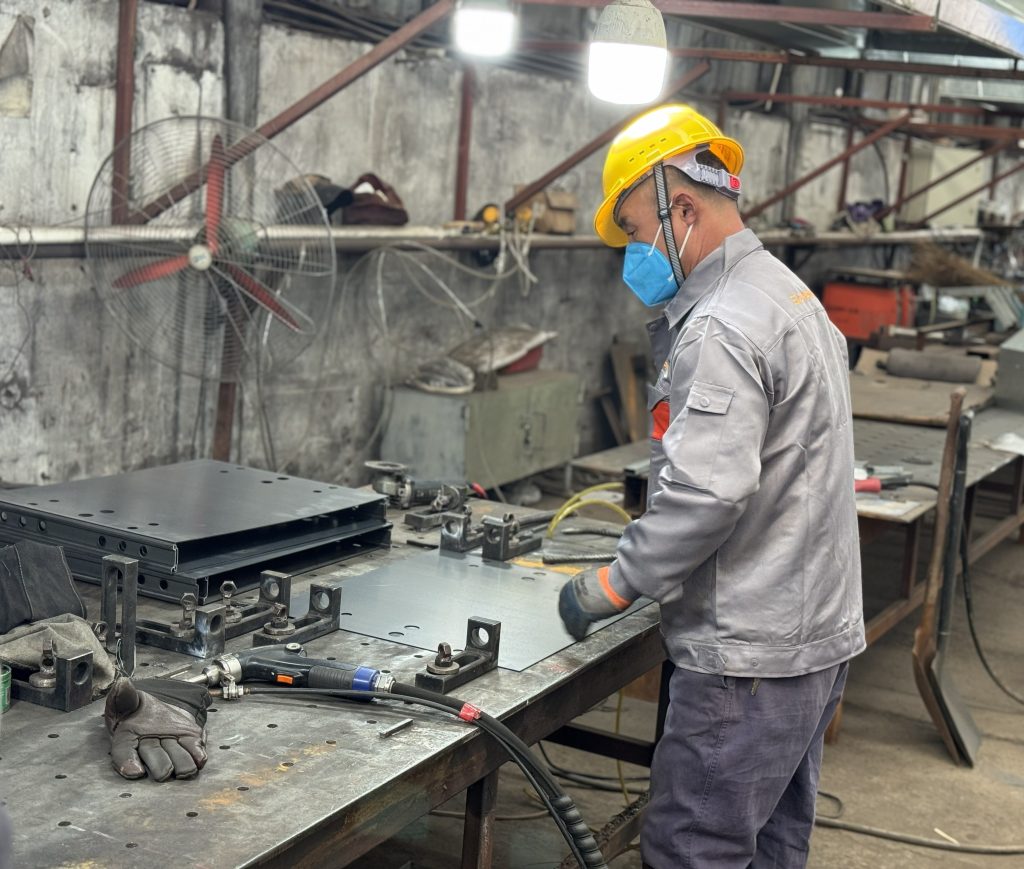
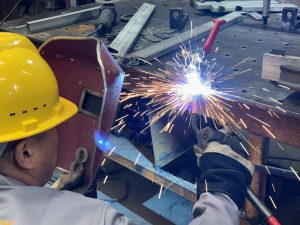
During the visit, our guests toured several major production stages, including Mega formwork cutting, welding, and inspection, where they witnessed how the Sampmax integrates precision manufacturing with strict quality control. Each step reflects our ongoing pursuit of higher standards,ensuring every panel meets demanding project requirements.


Both sides discussed practical improvements and explored various possibilities for optimizing the formwork system to better fit different jobsite conditions.


The Mega-S Formwork is made from zinc-aluminum-magnesium alloy, combining the strength of steel formwork with the lightweight advantage of aluminum. Its 100% match with aluminum formwork systems allows seamless compatibility on site. The mechanism-free design enables quick assembly, minimal labor, and easy operation, delivering efficiency and reliability for modern construction.


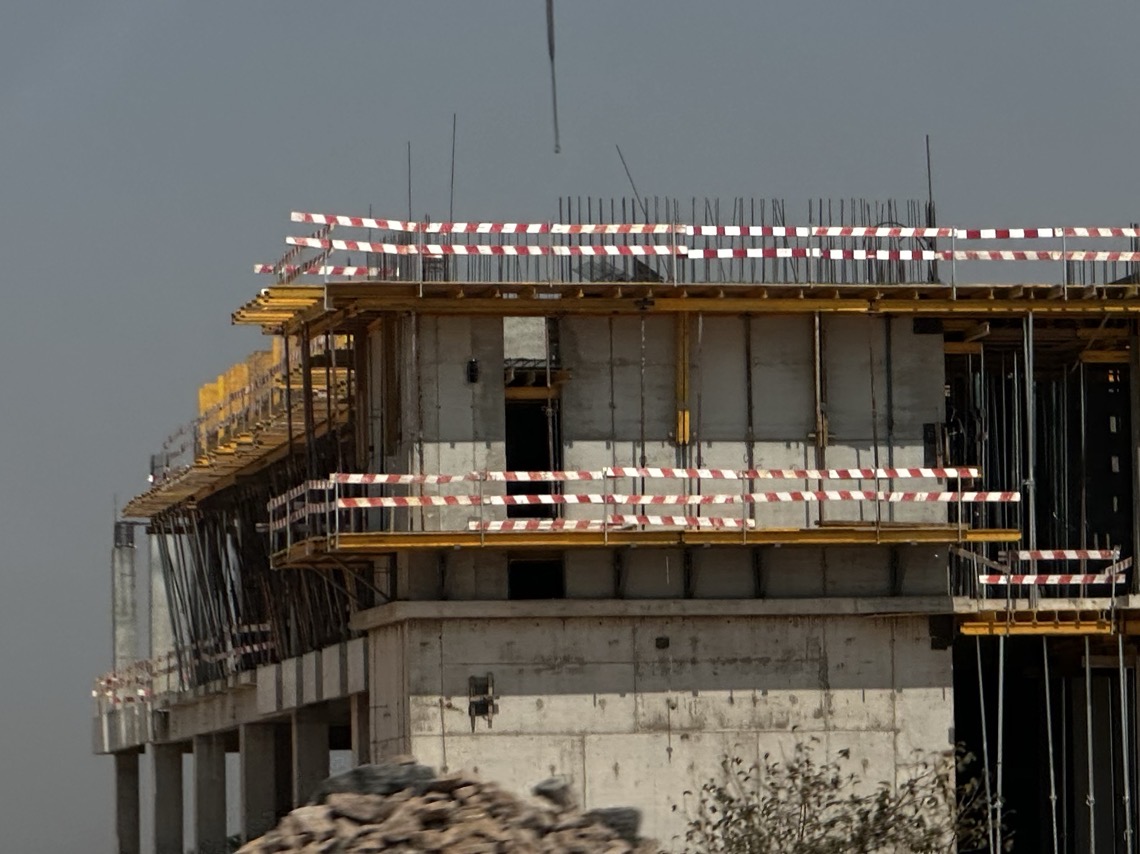
The Mega-S system can be used for both wall and column formwork and is widely applied in residential projects. It is a cost-effective solution, with a bearing capacity of 60 kN/m² or more, ensuring strong performance and excellent value.


Meanwhile, the Mega-Z system is designed for infrastructure projects such as bridges, viaducts, and tunnels. It offers high load-bearing capacity, excellent stability, and a smooth, corrosion-resistant surface for efficient, safe, and reusable concrete forming solutions.


At Sampmax, we believe that every visit is more than a tour — it is a shared journey toward better products, stronger partnerships, and safer construction environments. We will continue to refine our manufacturing processes and deliver formwork and scaffolding solutions that add real value to global projects.


Angola Construction Market Insights: Opportunities in Formwork and Scaffolding

Current Landscape
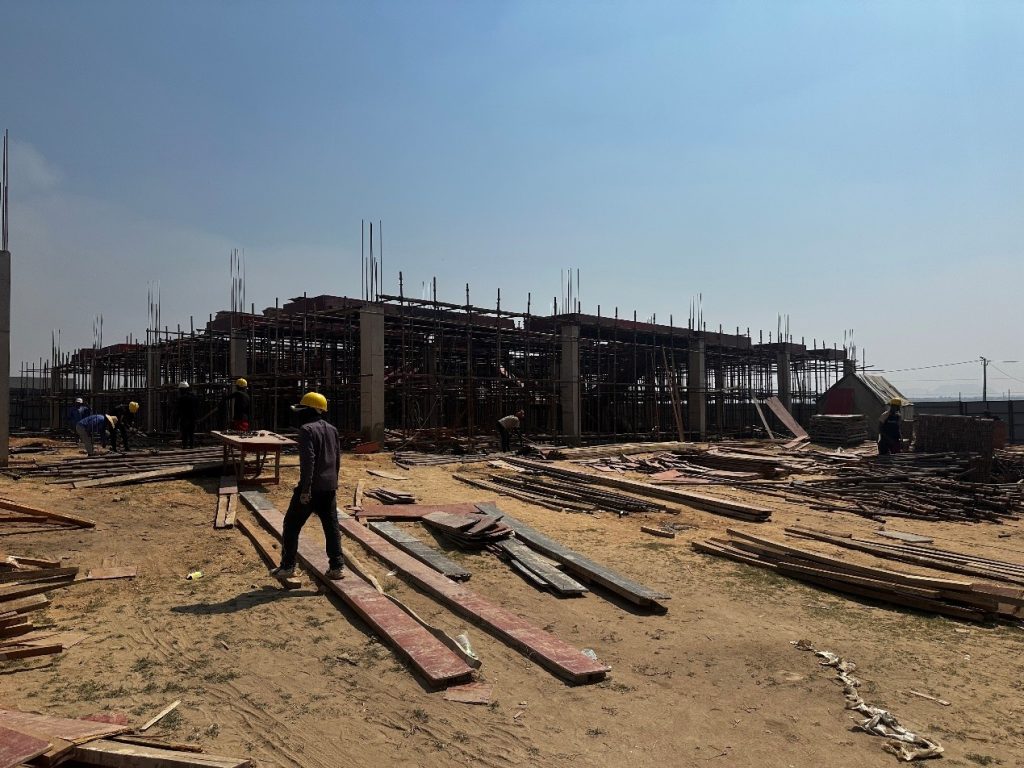
Our observations in Angola show that many residential projects remain low-rise, with brick masonry still widely used. In everyday construction, plywood continues to be a common formwork material, suggesting that the market is at an early stage in adopting modern systems. Meanwhile, in some government-led or high-specification projects—such as hospitals, universities, and certain commercial or residential complexes—more durable solutions like steel or aluminum formwork are sometimes preferred.


Market Development
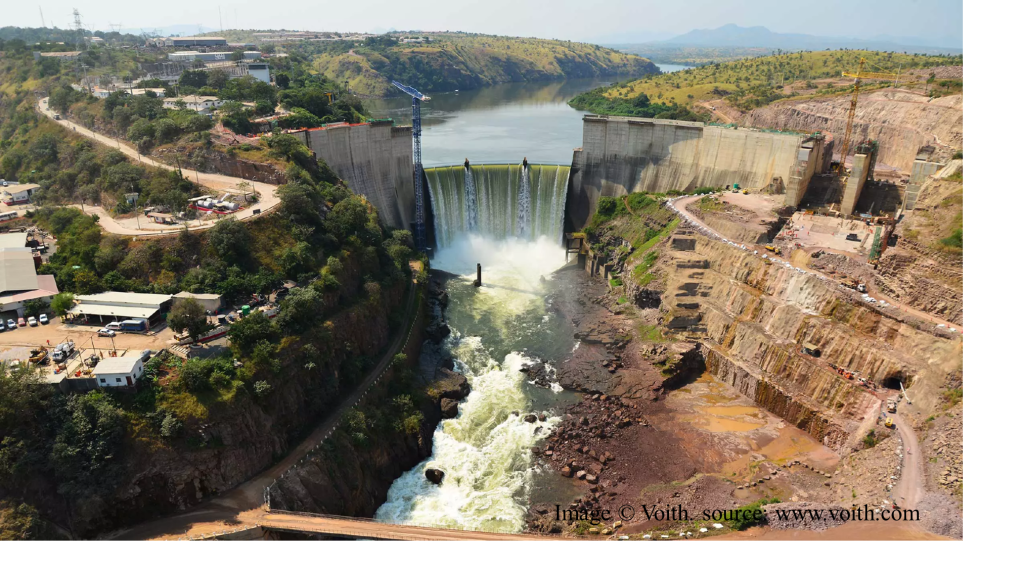
Angola’s construction sector has considerable growth potential. On the infrastructure side, the government continues to invest in large-scale projects, including hydroelectric power stations and public facilities, as part of its broader national development agenda. Projects such as the Cambambe, Capanda, and Lauca hydropower plants are examples of Angola’s focus on energy and infrastructure expansion. On the housing side, rapid economic development is driving new demand for residential buildings, creating a promising market for modern, efficient construction solutions.


Sampmax Insights
As a trusted provider of formwork and scaffolding solutions, Sampmax sees clear opportunities in Angola to deliver tailored systems that balance efficiency, durability, and cost-effectiveness:

  • Sampmax SP600 Plastic Formwork: A practical, easy-to-use, and affordable upgrade from traditional plywood, suitable for common residential and small-scale projects.
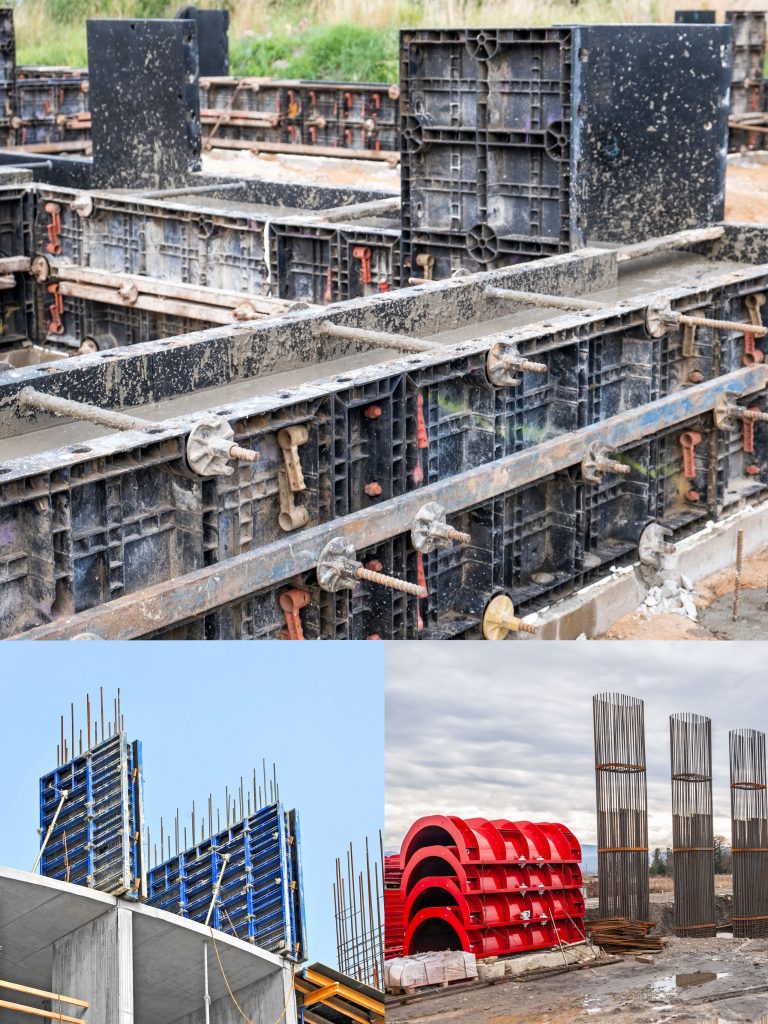
  • Sampmax MEGA Column Formwork Systems: Designed for efficiency and reliability, especially relevant to large-scale infrastructure projects such as dams.X
  • Sampmax VELOX Frame Formwork: Well-suited for premium commercial and residential developments, offering precision, strength, and long service life.


Sampmax committed to working closely with local partners to introduce innovative, tested solutions that can raise the standards of speed, safety, and sustainability in Angola’s construction industry. With the market poised for continued growth, we see this as a timely opportunity to bring lasting value to both infrastructure and housing development.


Understanding Welding and Galvanizing in Formwork & Scaffolding Systems

In construction, the strength, safety, and longevity of scaffolding and formwork systems rely heavily on the processes behind their manufacturing—particularly welding and galvanizing. These two treatments form the structural and protective backbone of steel-based components used across a variety of job sites, from residential high-rises to large infrastructure projects.

This article provides a clear overview of the core welding and galvanizing methods applied in the industry today, their advantages, and what best practices look like when aiming for durable and high-performing systems.


1.Why Welding and Galvanizing Are Important


Steel components exposed to dynamic loads and harsh environments require more than just good design—they need solid structural joints and long-term corrosion protection. Welding joins critical parts such as scaffolding ledgers, verticals, and planks into stable, load-bearing assemblies. Galvanizing shields those components from moisture, chemicals, and abrasion, preventing premature rust and extending service life.


Together, these processes help ensure construction systems stay safe and reliable, even after years of use.


2.Typical Components That Require These Processes

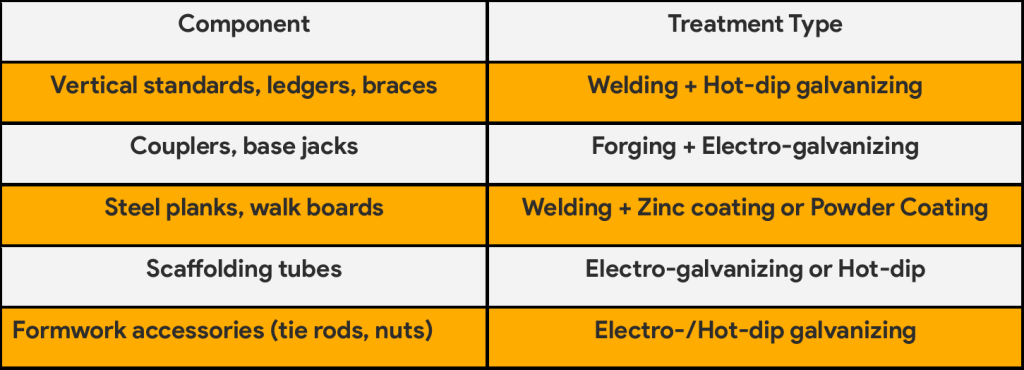
Scaffolding and formwork components undergo different combinations of welding and surface treatment, depending on their use case:


The treatment must match both mechanical requirements and environmental exposure, such as indoors vs. outdoors use.


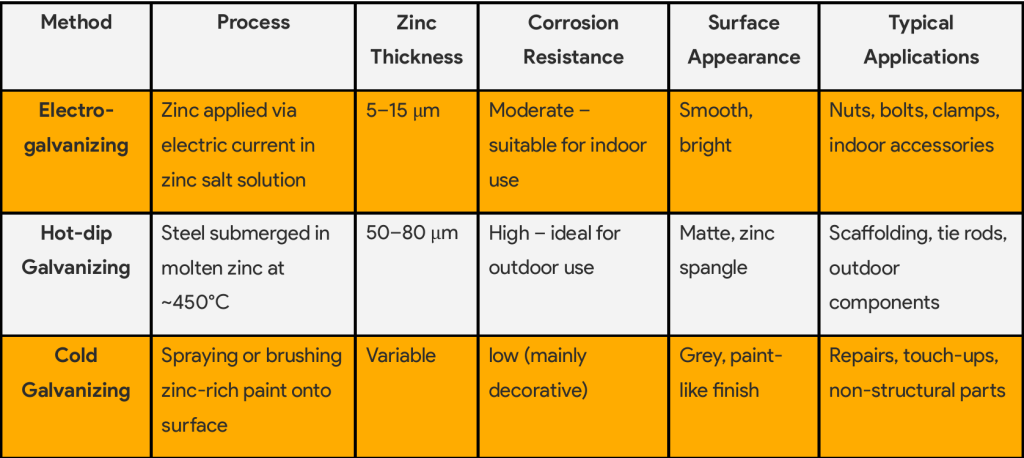
3.Comparison of Galvanizing Methods


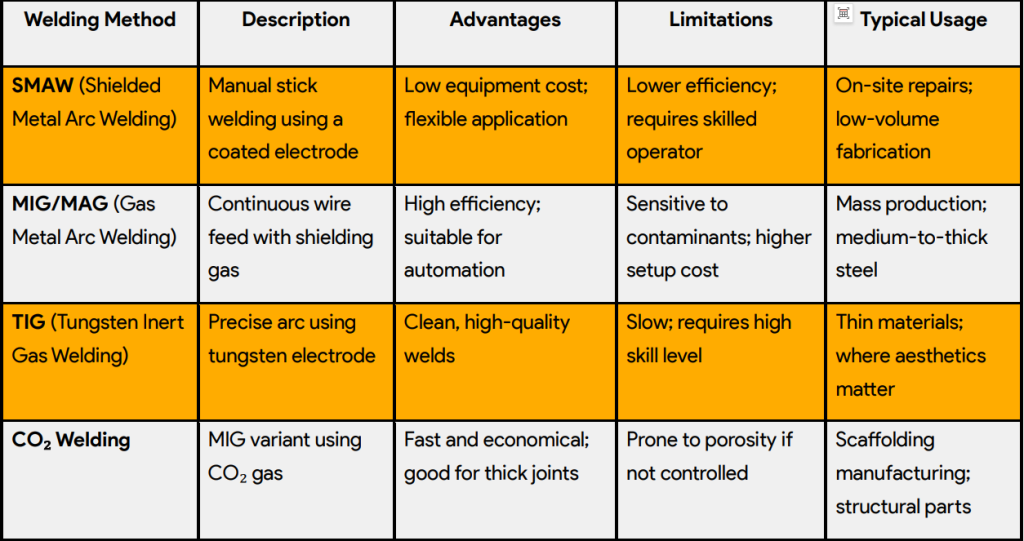
4.Comparison of Common Welding Methods


5.Challenges in CO₂ Welding and How Manufacturers Manage Risk


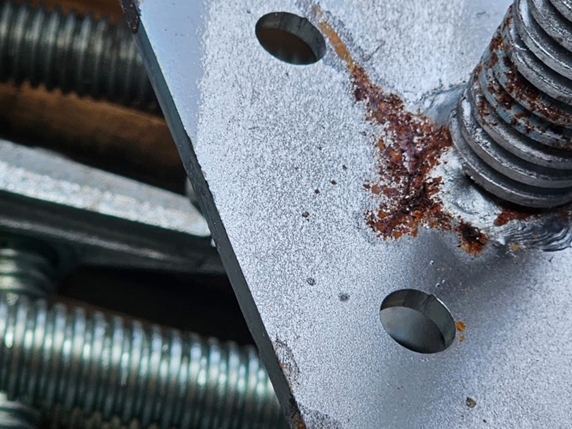
Among the various welding techniques used in scaffolding production, CO₂ welding remains widely adopted due to its speed and cost-efficiency. However, this method comes with a known risk: weld porosity. These are microscopic holes caused by trapped gas in the weld pool, often invisible to the naked eye. If left untreated, these pores can trap acid during the pre-galvanizing cleaning process (acid pickling), making it difficult to fully remove all residues.


When galvanizing occurs over these flawed areas, acid residue may remain sealed beneath the zinc layer, triggering localized corrosion over time. This can lead to unexpected rusting, reduced load-bearing performance, and ultimately a shortened product lifespan.


At Sampmax, this issue is proactively addressed through a dual-layer control strategy:


Automatic CO₂ welding ensures consistent penetration and minimizes porosity. Manual repair if pores or defects are found, ensuring solid and clean welds


Non-destructive testing (NDT) and targeted inspections identify and eliminate hidden flaws before surface treatment.


• Post-weld components go through a standardized pickling, cleaning, and passivation process, ensuring no acid remains before galvanizing.


By maintaining strict control over these steps, Sampmax significantly reduces the likelihood of corrosion-related defects, even in products used under harsh outdoor conditions.


6. Quality Assurance and Certification System at Sampmax


Sampmax implements a comprehensive quality control framework from raw material sourcing to final shipment. This system ensures that all scaffolding and formwork products meet international standards while maintaining consistency and long-term performance.


Key Elements of Our Quality System:


•  Raw Material Verification

All steel components are produced using Q235 or Q355-grade steel, backed by mill test certificates and third-party verification when required.

•  Production Oversight

Welding, cutting, and shaping processes are governed by a combination of automated equipment and trained operators, following defined work instructions.

•  Surface Treatment Compliance

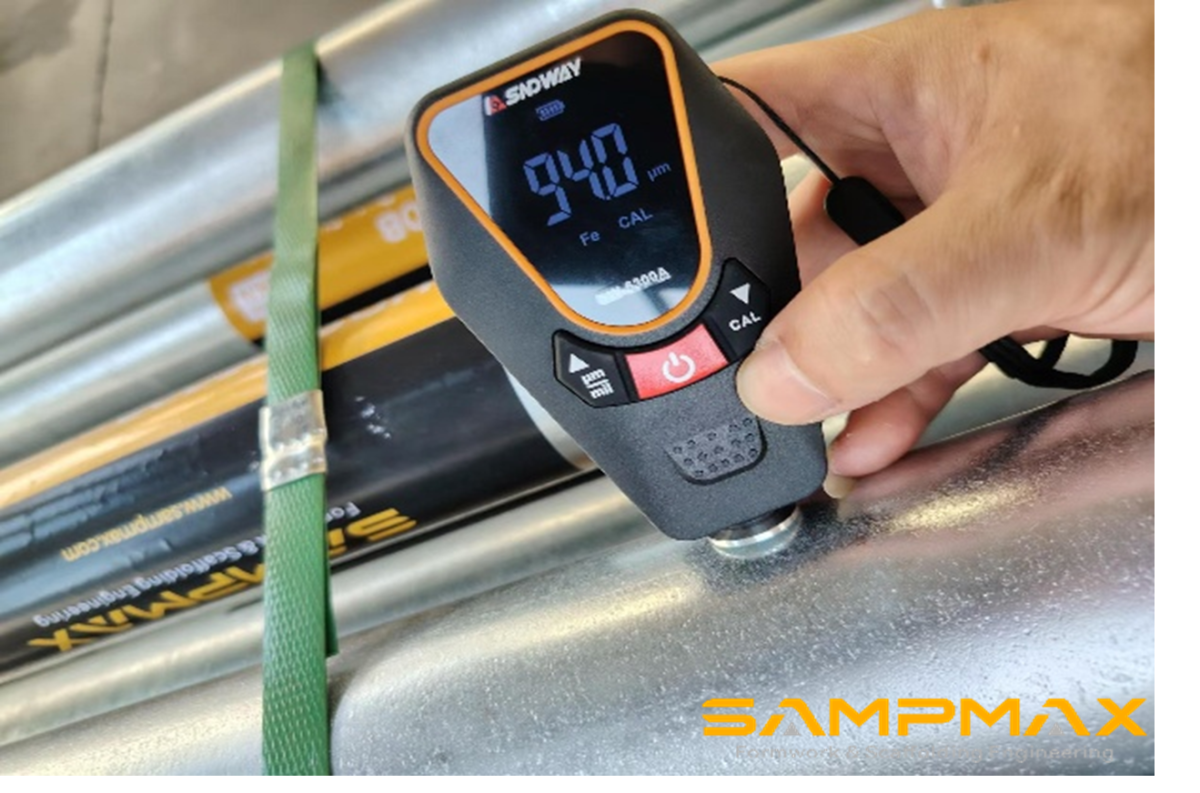
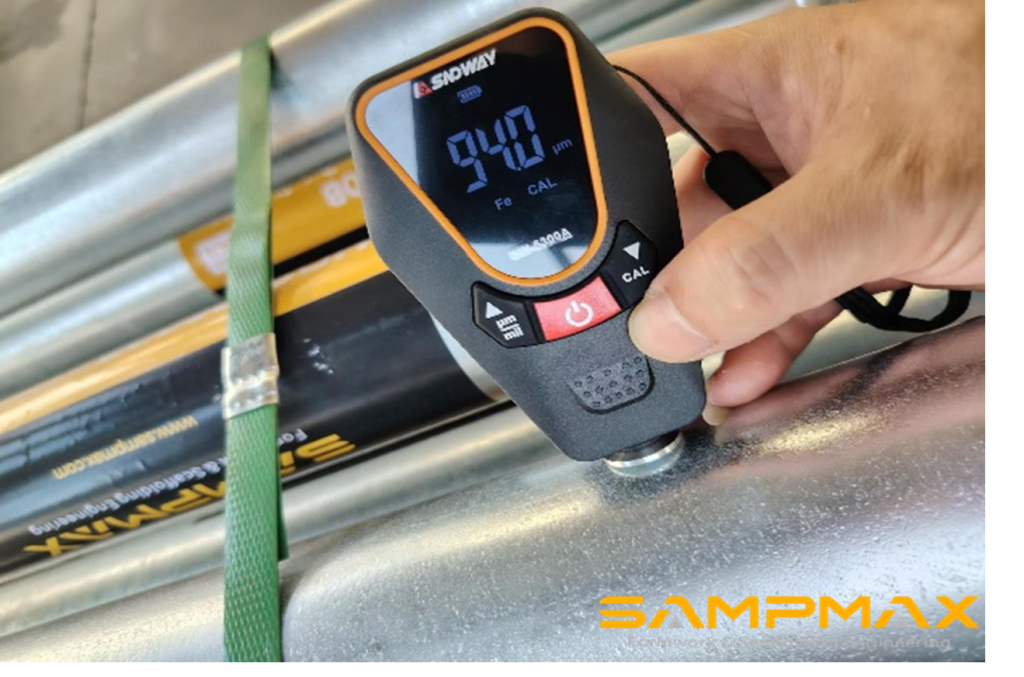
Both electro-galvanizing and hot-dip galvanizing processes are applied based on product type, and all coatings are tested for thickness and adhesion.

•  Pre-shipment Testing

Each production lot is tested for: Dimensional tolerance , Zinc layer thickness, Load-bearing capacity, Salt spray resistance

•  Third-party Testing Available

Upon request, Sampmax provides SGS, TUV, or other international inspection reports, reinforcing the trust of clients in high-standard regions such as Europe, the Middle East, and Southeast Asia.


Through this systematic approach, Sampmax helps reduce long-term project risks, supports contractor efficiency, and delivers a level of confidence that goes beyond the steel itself.

Bauma 2025 Highlights: Sampmax’s Innovative Formwork & Shoring Systems

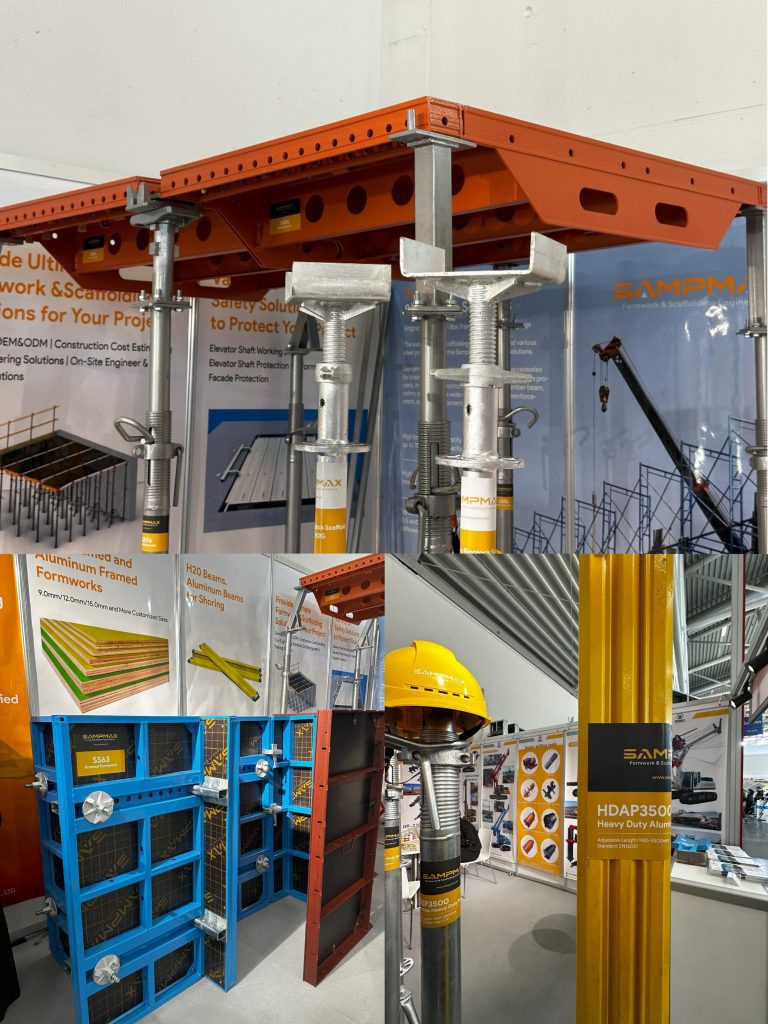
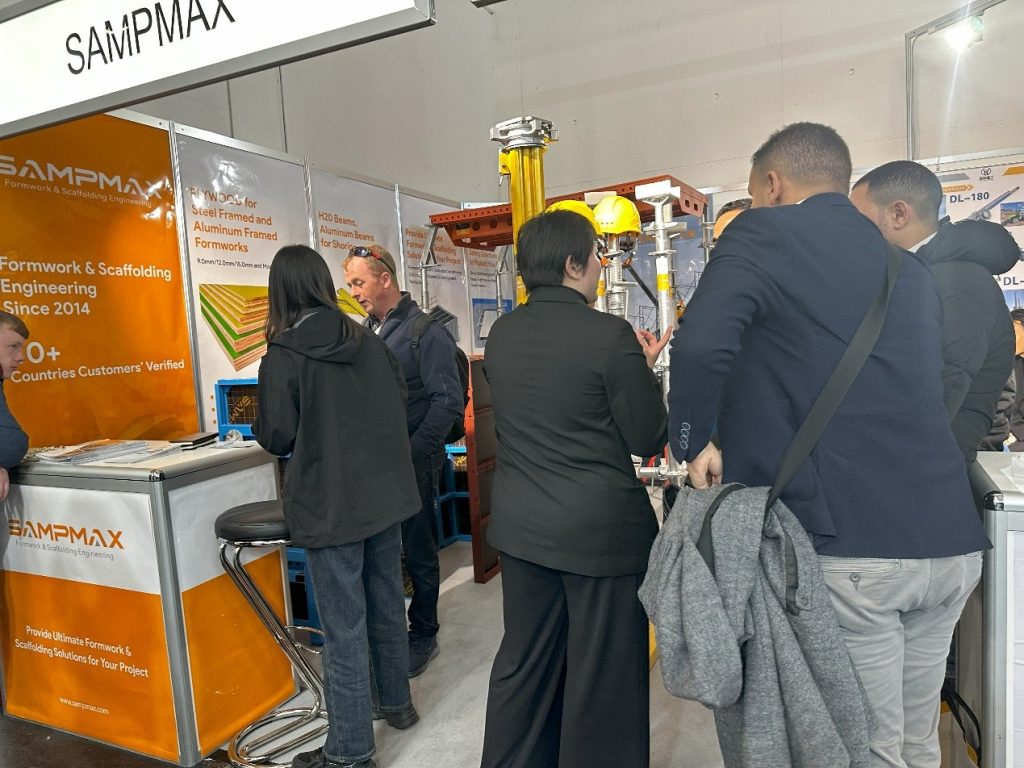
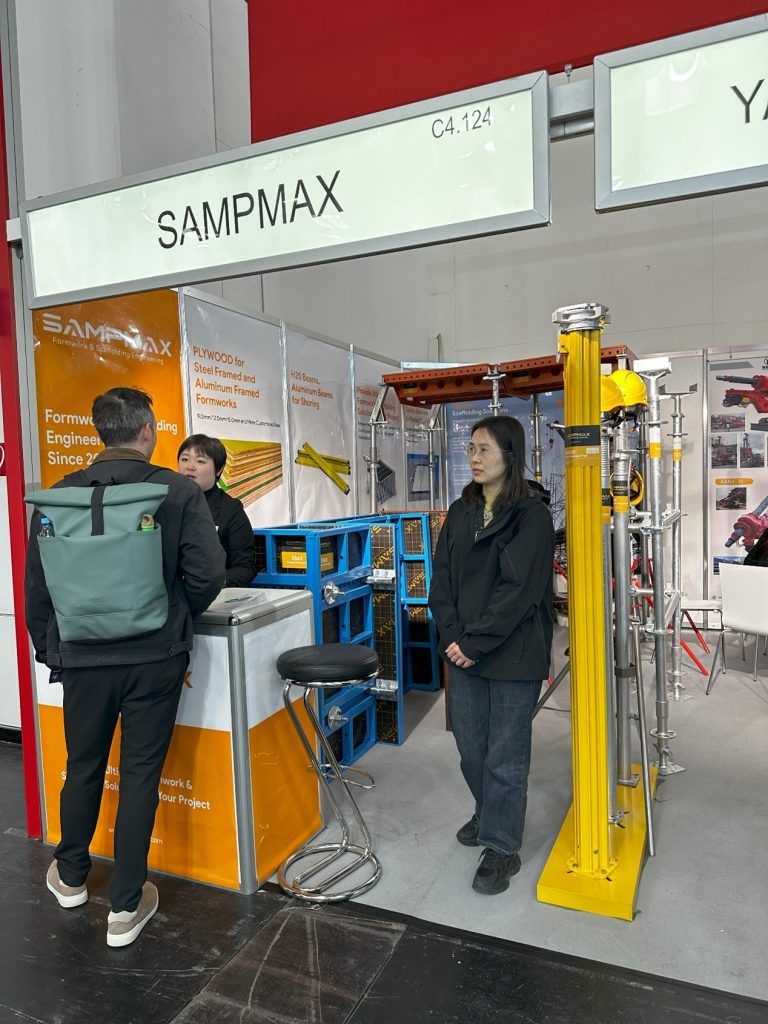
Sampmax successfully showcased our advanced formwork and scaffolding solutions at Bauma 2025, the world’s largest construction machinery exhibition. The event brought together contractors, engineers, and industry leaders from over 200 countries, offering Sampmax a global stage to highlight our commitment to innovation, safety, and sustainability.


Exhibition Highlights

At Bauma 2025, we presented four  solutions tailored for high-rise, infrastructure, and industrial projects:

◎ SAT6 Aluminum Table Formwork– lightweight, durable, and optimized for fast, precise slab construction.

◎ SS63 Steel Frame Formwork – robust and reusable, ensuring accuracy for walls and columns.

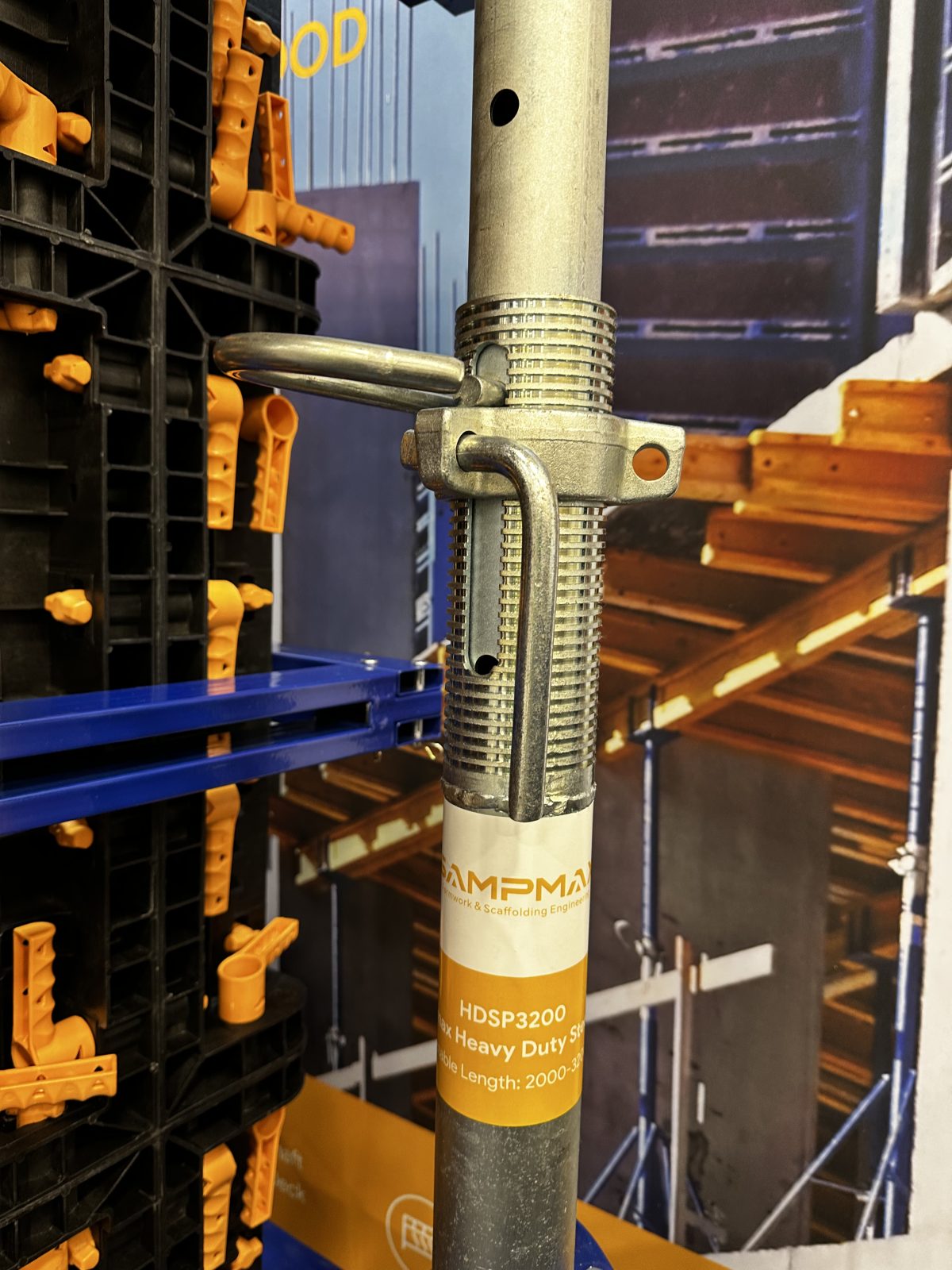
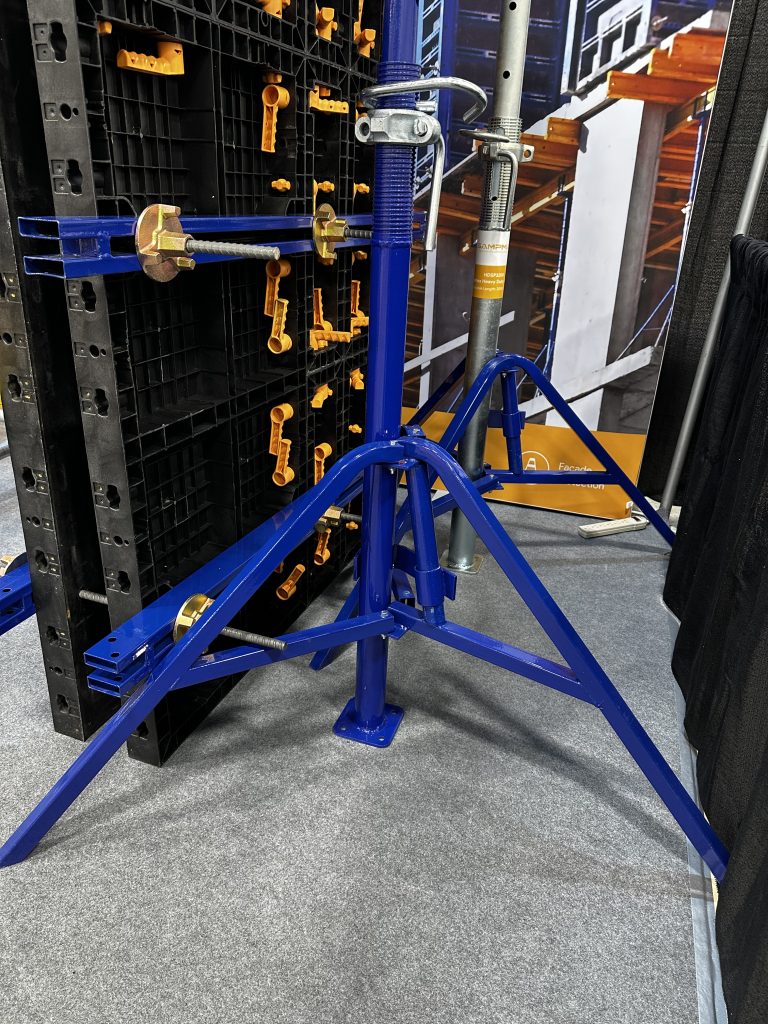
◎ HDSP3500 Heavy-Duty Steel Prop – engineered for extreme loads, providing reliable support in demanding projects.

◎ EDAP350 All-Aluminum Extreme-Duty Prop – combines mobility and strength, tripling adjustment efficiency while enhancing safety.


Global Market Insights

Conversations with contractors and distributors highlighted strong demand across:

◎ Europe: urban renewal and infrastructure projects.

◎ South America & Middle East: cost-effective shoring for bridges and high-rises.

◎ Asia-Pacific: growing adoption of rental-based formwork and scaffolding systems.


Meeting Global Construction Needs

Our solutions meet European standards (EN, CE, EN1065, EN12810/12811) and focus on key priorities:

◎ Safety: self-locking designs and reinforced stability.

Sustainability: reusable materials supporting carbon reduction goals.

Efficiency: modular, tool-free assembly cuts labor time by up to 30%.


Bauma 2025 reinforced our reputation as a trusted global supplier, offering both OEM and ODM solutions to partners worldwide.


“Our participation at Bauma 2025 underscores our commitment to delivering reliable, sustainable, and efficient construction solutions,” said the Sampmax VP Loki. “With strong R&D, strict quality control, and robust production capacity, we enable our global partners to build safer and more efficiently.”


Revolutionizing Formwork: Sampmax’s Cutting-Edge Showcase at the 2025 WOC Concrete Expo

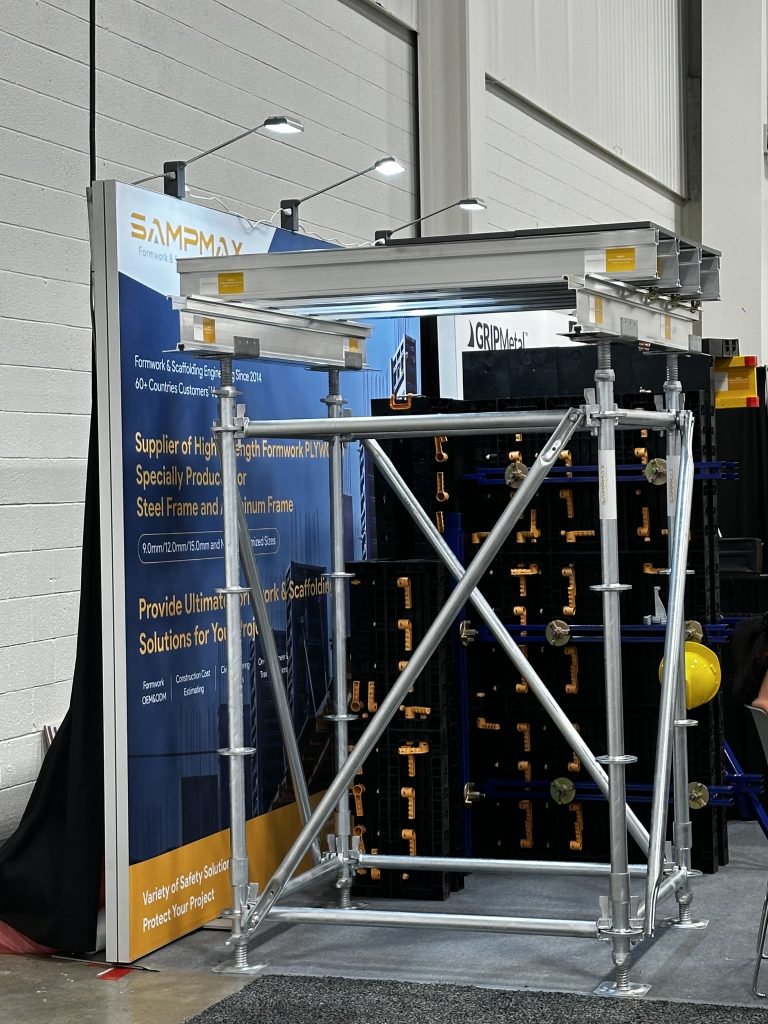
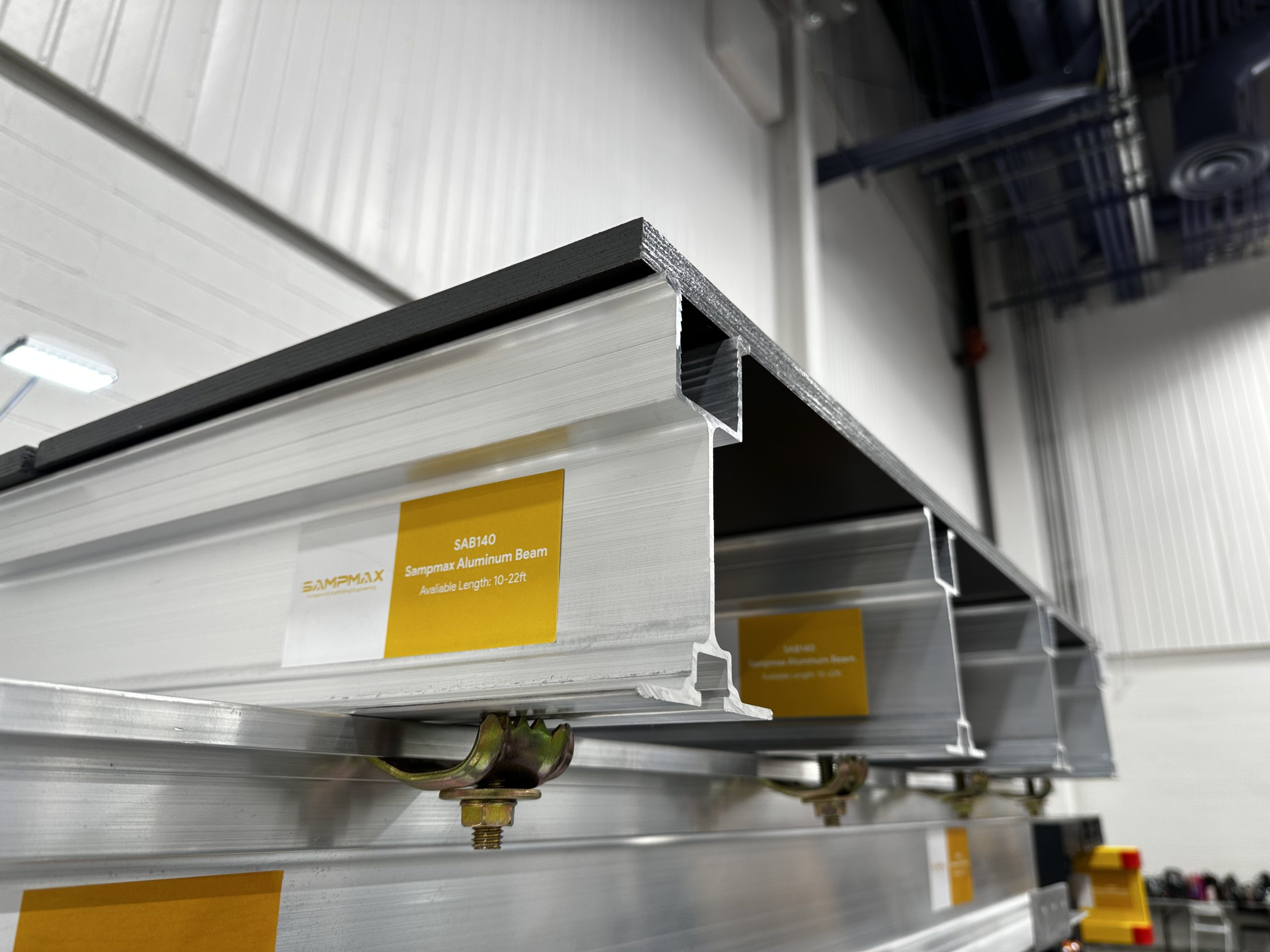
In 2025, at the prestigious WOC Concrete Expo held in Las Vegas, Sampmax made a remarkable impression with our latest advancements in formwork technology. We proudly introduced our high-performance plastic formwork system SP600 alongside the versatile SH20 Table Formwork. What set our display apart was our innovative integration of Ring Lock scaffolding, which served as the robust support system for the SH20, complemented by the use of lightweight yet durable aluminum beams as both primary and secondary structural members.


This creative combination not only enhances the efficiency of the formwork installation but also ensures superior safety and structural integrity during construction. By leveraging the modularity of Ring Lock scaffolding and the strength of aluminum beams, our SH20 system demonstrated an outstanding balance between ease of assembly and load-bearing performance.


The expo provided an ideal platform for industry professionals from around the world to witness firsthand how Sampmax is redefining conventional construction practices. Our cutting-edge solutions have been designed to meet the demands of modern construction, ensuring quicker turnaround times, reduced labor intensity, and improved overall quality. As we continue to innovate and expand our offerings, Sampmax remains committed to setting new benchmarks in the construction industry and driving the future of formwork technology.


Sampmax Showcases Innovative Solutions at World of Concrete 2024 in Las Vegas


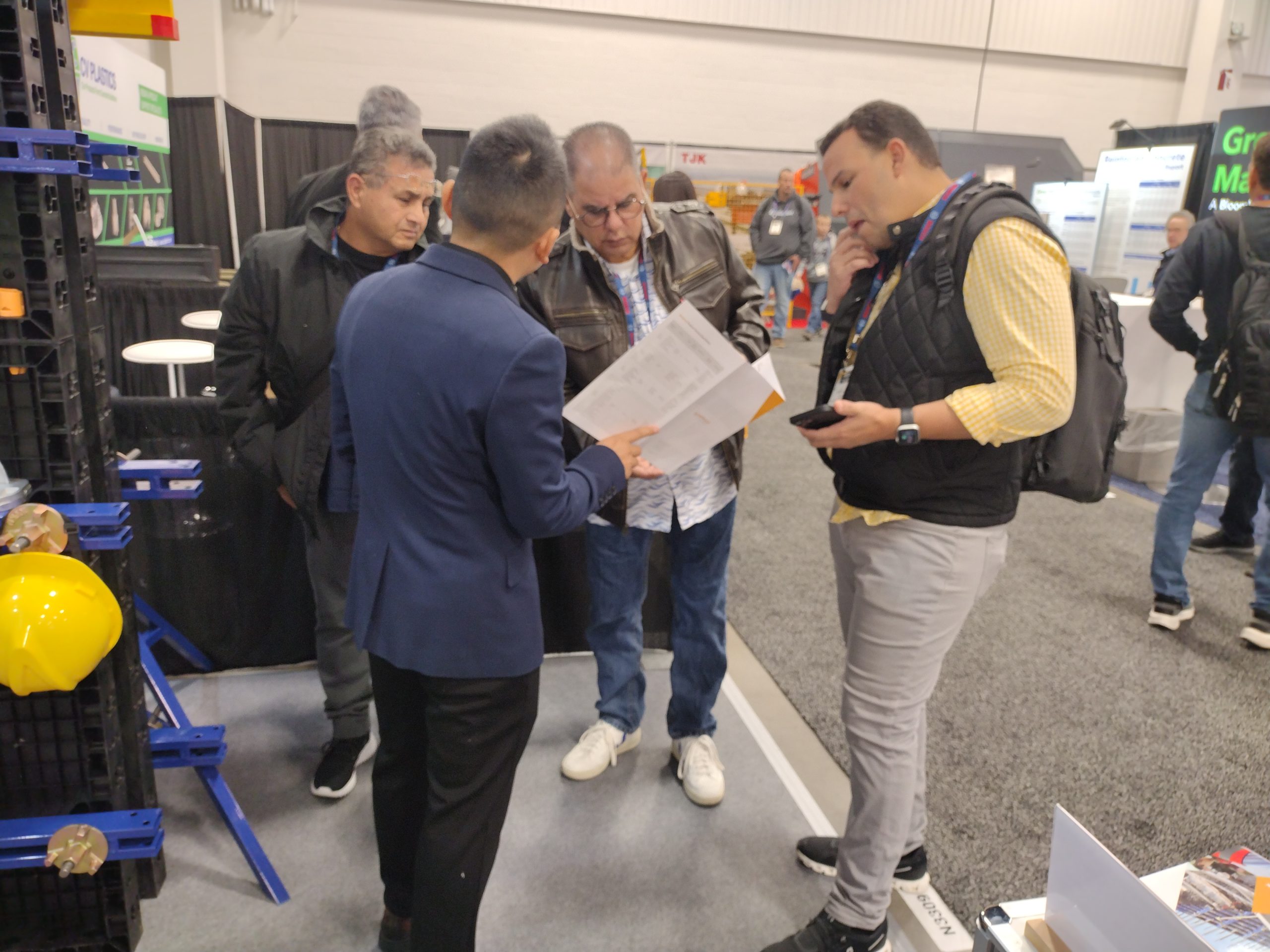
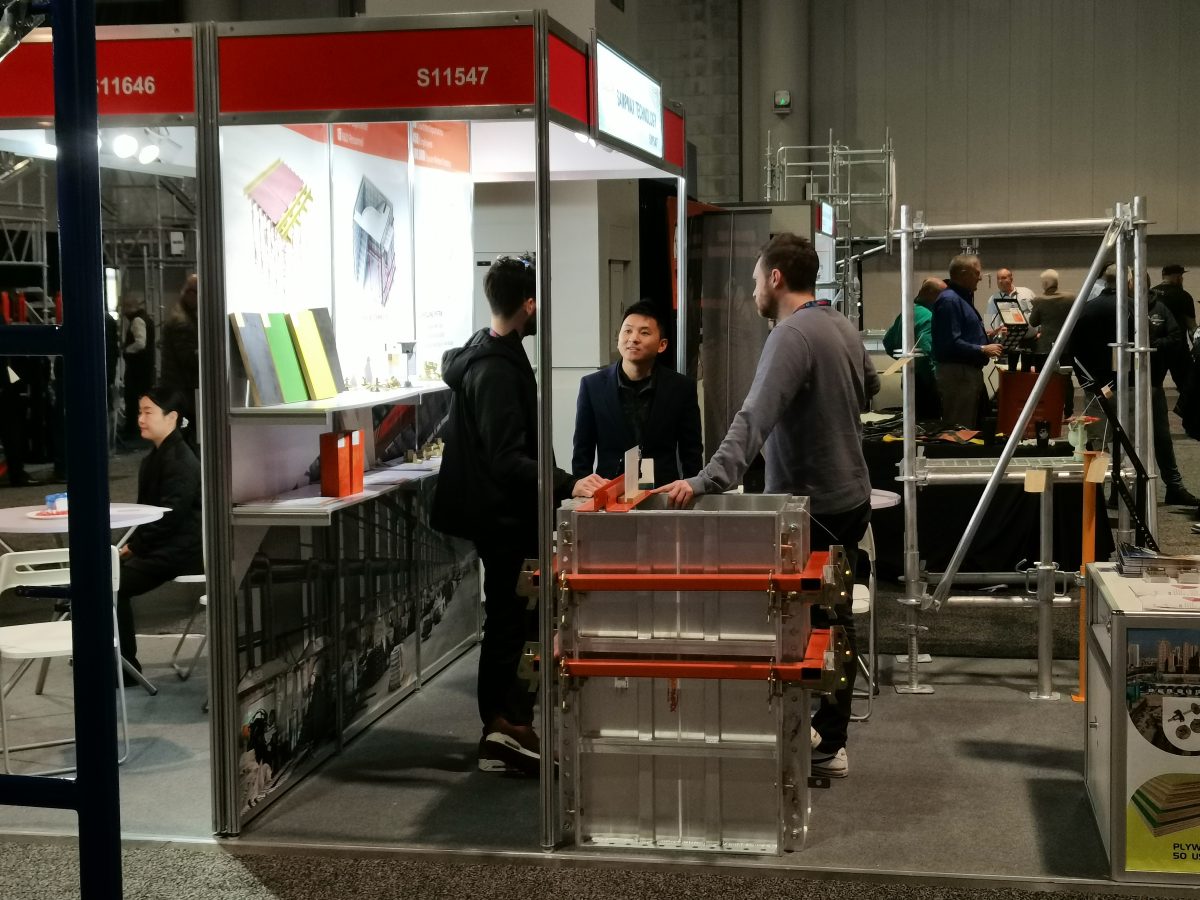
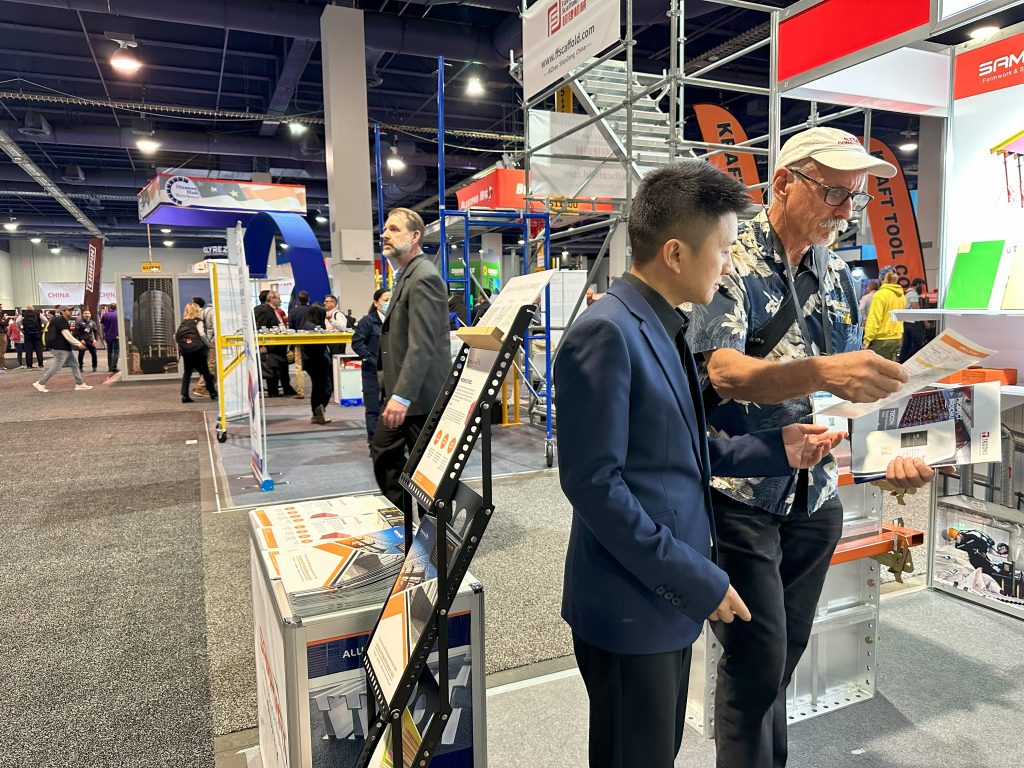
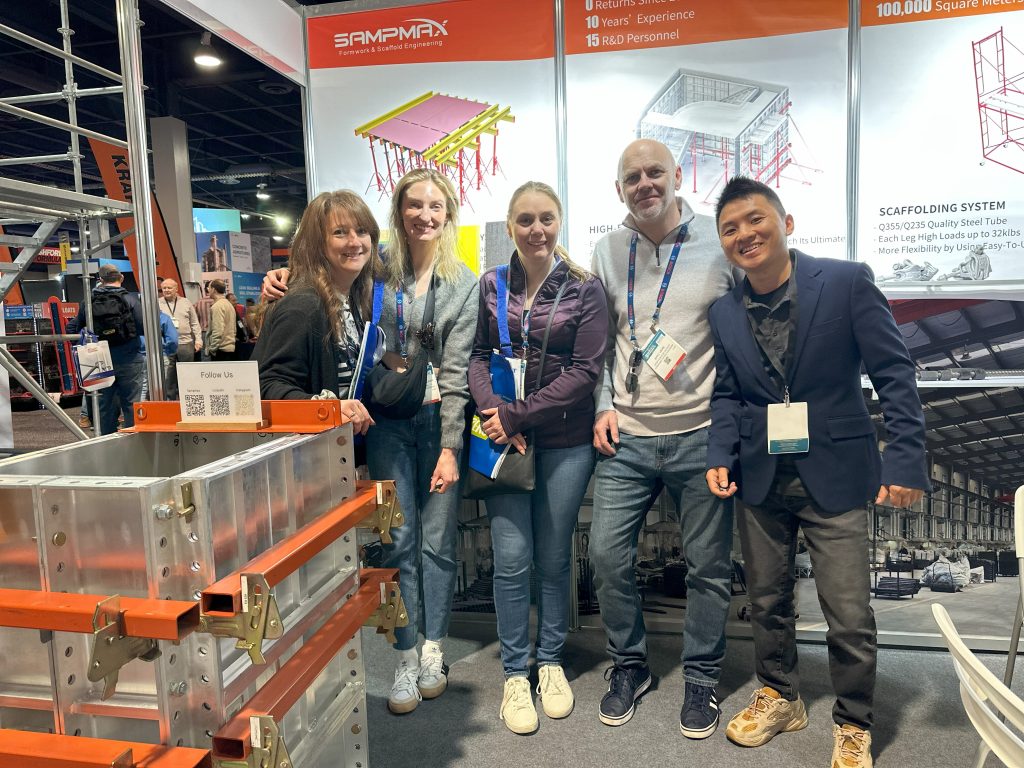
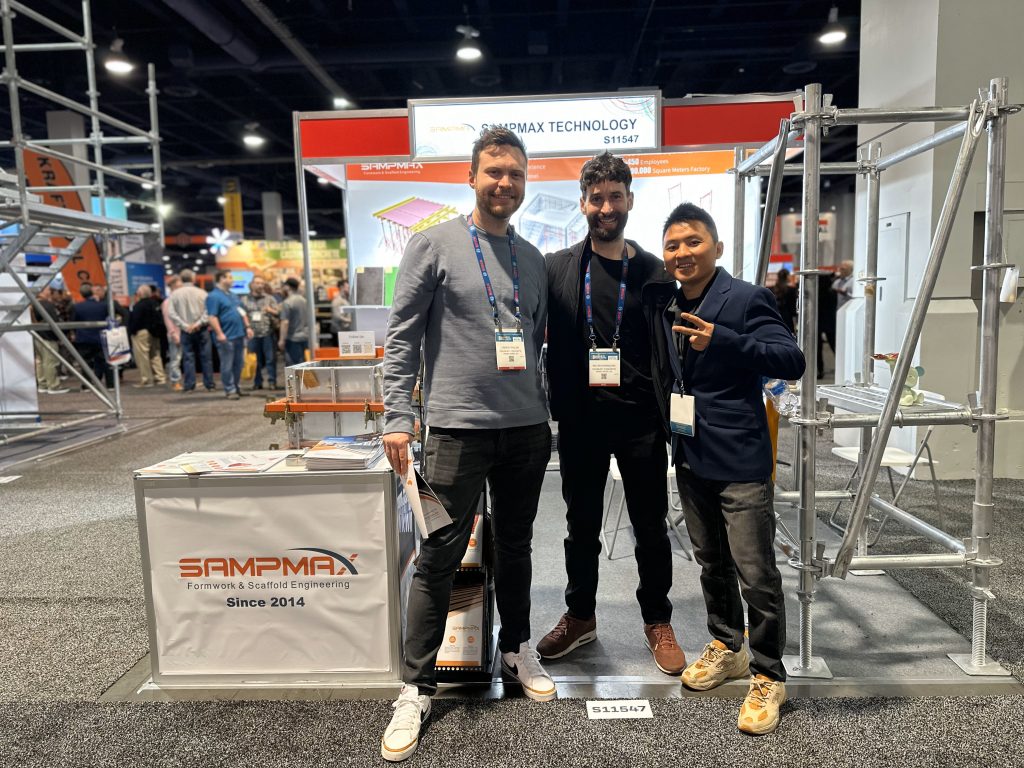
Las Vegas, NV – January 23, 2024 – Sampmax, a leading company in Scaffolding&Formworks, is proud to announce its participation in World of Concrete 2024, taking place at the convention center in Las Vegas. The exhibition booth, located at S11547, has been meticulously set up during the day, reflecting Sampmax’s commitment to delivering top-notch products and services.


With the exhibition officially opening its doors from January 23 to 25, Sampmax welcomes clients and friends from around the globe to visit booth S11547. This is a prime opportunity to explore Sampmax’s cutting-edge solutions, witness product demonstrations, and engage with the experts behind the innovation.


Sampmax Highlights at World of Concrete 2024:


  • Innovative Products: Sampmax is set to unveil its latest line of innovative products designed to save cost and faster the jobsites efficiency. Visitors can experience firsthand how these solutions can revolutionize aluminum forms and scaffolding.


  • Expert Consultations: Sampmax’s team of industry experts will be present at the booth to provide insightful consultations. Whether you have specific questions or are seeking tailored solutions, our experts are ready to assist.


  • Networking Opportunities: World of Concrete 2024 is a global gathering of industry professionals. Take advantage of this platform to network with peers, potential partners, and Sampmax representatives.


“We are excited to be part of World of Concrete 2024 and showcase our advancements in scaffolding and forms. Our team has worked diligently to create an engaging and informative experience at booth S11547. We look forward to welcoming visitors and sharing our passion for innovation,” said Loki Yu, the VP of Sampmax.


For more information about Sampmax and its presence at World of Concrete 2024, please visit www.sampmax.com or contact sales@sampmax.com.


Plywood: A Versatile Material for Modern Construction


Plywood: A Versatile Material for Modern Construction

Plywood is one of the most used engineered wood products, known for its strength, flexibility, and cost-efficiency. Whether in residential construction, commercial infrastructure, furniture manufacturing, or even marine applications, plywood continues to serve as a vital building material across industries. But what exactly is plywood, and what makes it so reliable and popular?


What is Plywood?

Made by gluing together thin veneers. The veneers are usually arranged so that the grain of each layer runs from the right angle to the one above and below it. This cross-grained structure greatly improves strength, minimizes shrinkage and expansion, and reduces the risk of splitting when nailed at the edges. As a result, plywood is more dimensionally stable than traditional wood.

Common plywood thicknesses range from 3mm to 25mm, depending on the intended use. From structural panels to decorative surfaces, the versatility of plywood is truly remarkable.


How to Distinguish Plywood According to the USE?

We call the plywood commercial plywood, fancy plywood when they are used in the future industry. The fancy plywood is called high-grade plywood is usually finished on the top and bottom surfaces, including high-grade veneer, PVC or melamine paper, etc., to make beautiful furniture panels or cabinet panels. Commercial plywood normally used in the middle of the furniture, so the veneers and surface treatment should be not such high end and high cost.

Another important use of plywood is on construction sites. People cover plywood with a layer of resin film, plastic film or even MDO film. These films are easy to separate from concrete after being brushed the release agent, thereby increasing the reuse rate of plywood on construction sites. We call such plywood film-faced plywood, and some brands such as Peri call them PSF.


Types of Wood

The most important material to the plywood is the veneer type, let’t identify it by wood types:

1.Softwood Plywood: Usually made from poplar, pine, or spruce.

2.Hardwood Plywood: Made from hardwood species like birch, oak, or maple, and commonly used in furniture and cabinetry.

3.Marine Plywood: Designed for high-moisture environments, this type uses waterproof adhesive and is often made from tropical hardwoods.

4.Exterior Plywood: This type is treated to resist moisture and is often used in outdoor construction projects.


Plywood is Important in Construction

In the construction industry, plywood is often used in formwork for concrete pouring, roofing systems, flooring underlayment, wall sheathing, and partitions. Its high strength-to-weight ratio and wide availability make it ideal for large-scale projects that demand both performance and efficiency.

Plywood can also be enhanced with surface treatments or laminated coatings to improve moisture resistance, impact resistance, or chemical durability, making it suitable for even more demanding environments.


Looking for a high-performance plywood panel that meets the rigorous demands of construction?

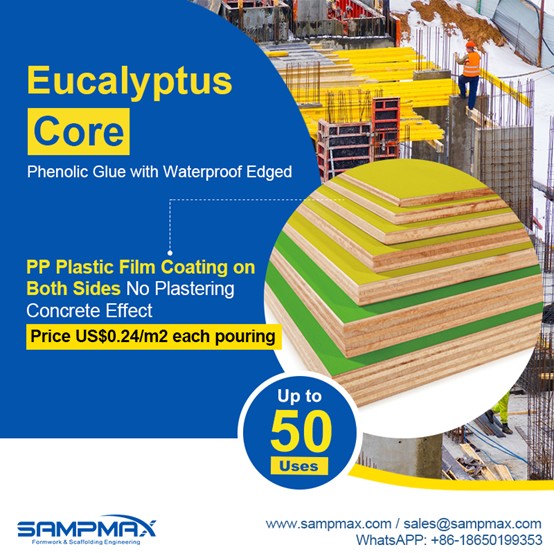
Sampmax SPPEY18 is the ultimate solution for slab formwork and other heavy-duty applications. Made of eucalyptus veneers bonded in a cross-banded structure, it offers superior strength and dimensional stability. The panel uses phenolic glue that meets EN636-3 standards and passes a boiling test of up to 72+ hours, ensuring long-lasting performance in wet and high-pressure environments.

What sets it apart is its 0.5mm thick Polypropylene (PP) plastic coating on both sides, which provides excellent wear-resistance, corrosion-resistance, and protection against acid and alkali. With enhanced hardness and reusability, Sampmax SPPEY18 is built to withstand even the toughest job sites.

Upgrade your construction materials today with Sampmax SPPEY18 — engineered for durability, designed for performance.

Sampmax Deepens Global Ties with Georgian Delegation at 135th Canton Fair and Guangzhou Charm

Guangzhou, China – Sampmax, a leading manufacturer of scaffolding and formwork systems, reinforced its global presence at the 135th Canton Fair by hosting a key delegation of clients from Georgia. Led by Overseas Sales Director Mr. Loki, the visit highlighted Sampmax’s commitment to international cooperation and customer engagement.


Over two days, Mr. Loki accompanied the clients to explore the latest trends in construction materials and seek collaborative opportunities at the Canton Fair. The fair served as a valuable platform for strengthening mutual understanding and expanding Sampmax’s reach in global markets.


Beyond business, the visit included a cultural tour of Guangzhou, from historic Lingnan architecture to the city’s modern skyline. The guests also enjoyed authentic Cantonese cuisine, offering a warm glimpse into local hospitality and culture.


This successful event not only showcased Sampmax’s high-quality products and services but also deepened ties with international partners. With its continued focus on quality, service, and innovation, Sampmax is poised for further global growth and win-win partnerships.