Teamwork Makes Dream Work: Sampmax Team Conquers Heights


Chengdu, Sichuan, 15th, Sep. 2023 – In a daring escapade amidst the rugged terrains and high altitudes of the Tibetan Plateau, Sampmax, a multinational corporation specializing in the sales of construction materials, embarked on an exhilarating team-building expedition. Venturing from the bustling city of Chengdu at an elevation of 540 meters, the team made their way to the scenic landscapes of Kangding, initiating a remarkable journey to embrace the lofty heights and nature’s raw beauty.


The enthralling journey commenced with a 5-kilometer hike from Kangding to the breathtaking Gexi Grasslands, situated at an altitude of 3600 meters. Here, the team absorbed the pristine air and surreal views, setting the stage for what would be an extraordinary adventure over the next six days.


The second day tested the endurance and resilience of the team as they trekked 17 kilometers to reach the serene Riwuqie Campsite at an altitude of 4300 meters. Surrounded by awe-inspiring mountains and pristine landscapes, the team found solace in the breathtaking beauty of the Tibetan plateau.


Day three marked a pivotal point in the expedition, as the team conquered a challenging 4900-meter-high mountain pass, showcasing their determination and unity. Undeterred by the altitude, they pressed forward, demonstrating their unyielding spirit to overcome any obstacle that came their way.


The six-day adventure culminated in an impressive total trek of 77 kilometers, a testament to the dedication and teamwork of Sampmax. This journey not only strengthened the team bonds but also served as a metaphorical reflection of the company’s commitment to scaling new heights in the business world.


Through this remarkable expedition, Sampmax reaffirms its dedication to excellence, determination, and the pursuit of success. The team’s triumph over the formidable challenges of the Tibetan Plateau embodies the spirit of the company’s motto – “Reaching New Pinnacles, Together.”


Sampmax SH20 Table Formwork System: Leading the New Trend in the Construction Formwork Industry

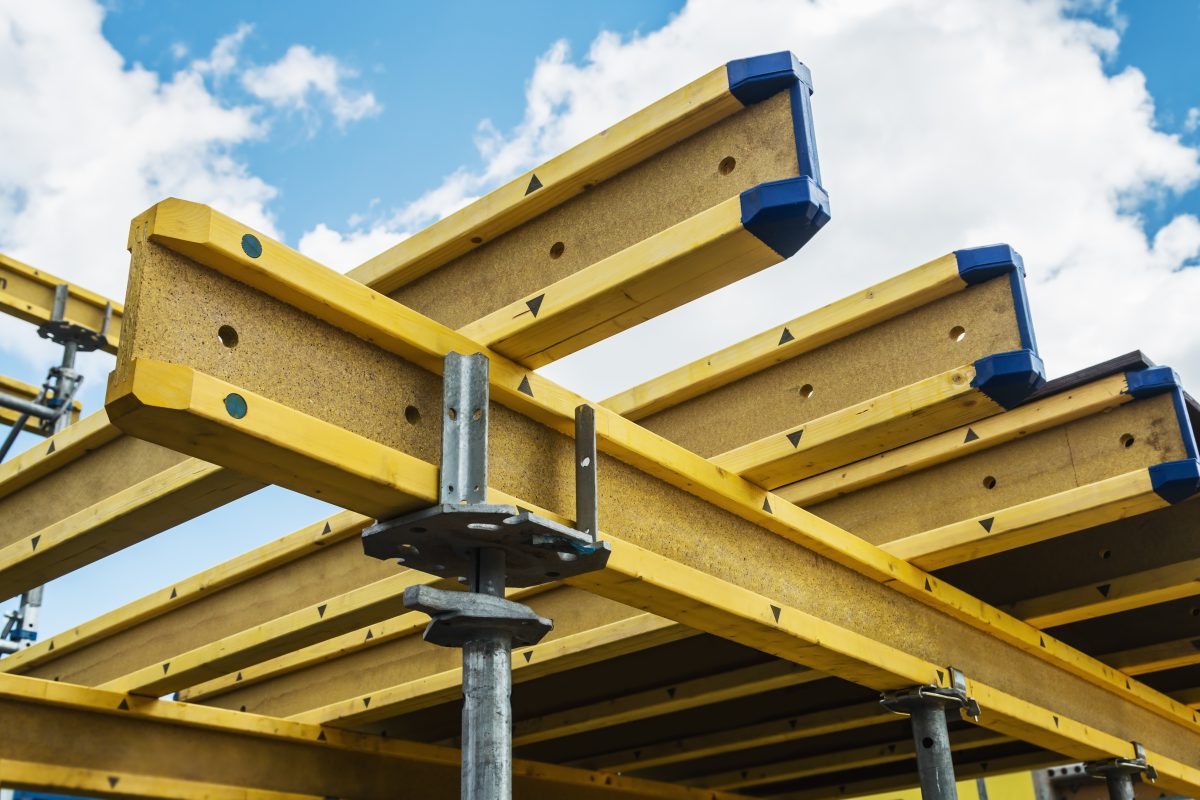
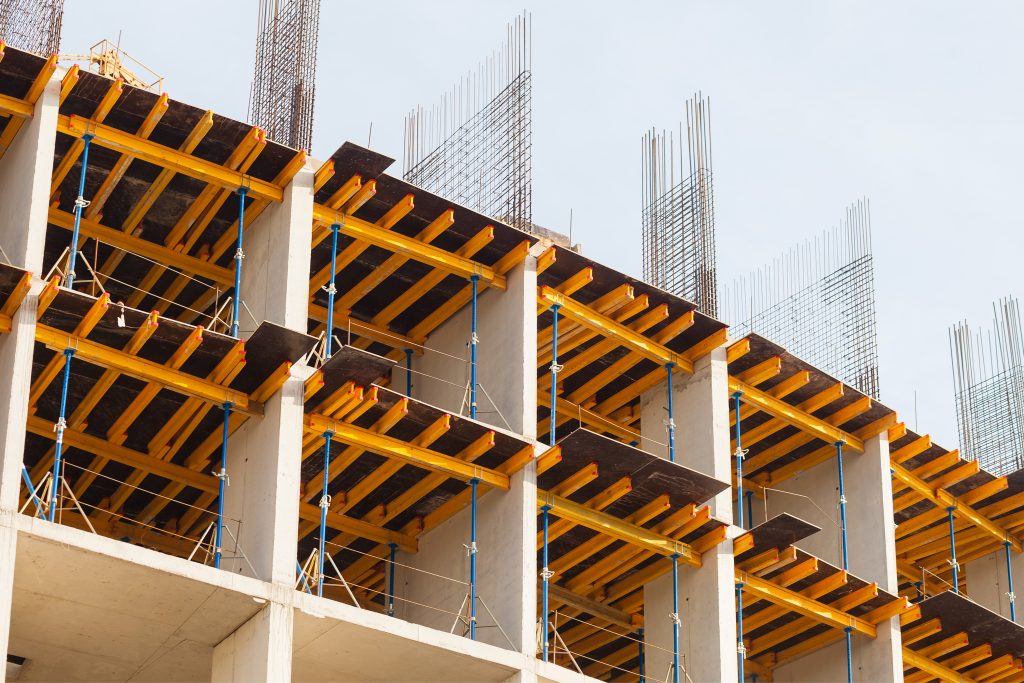
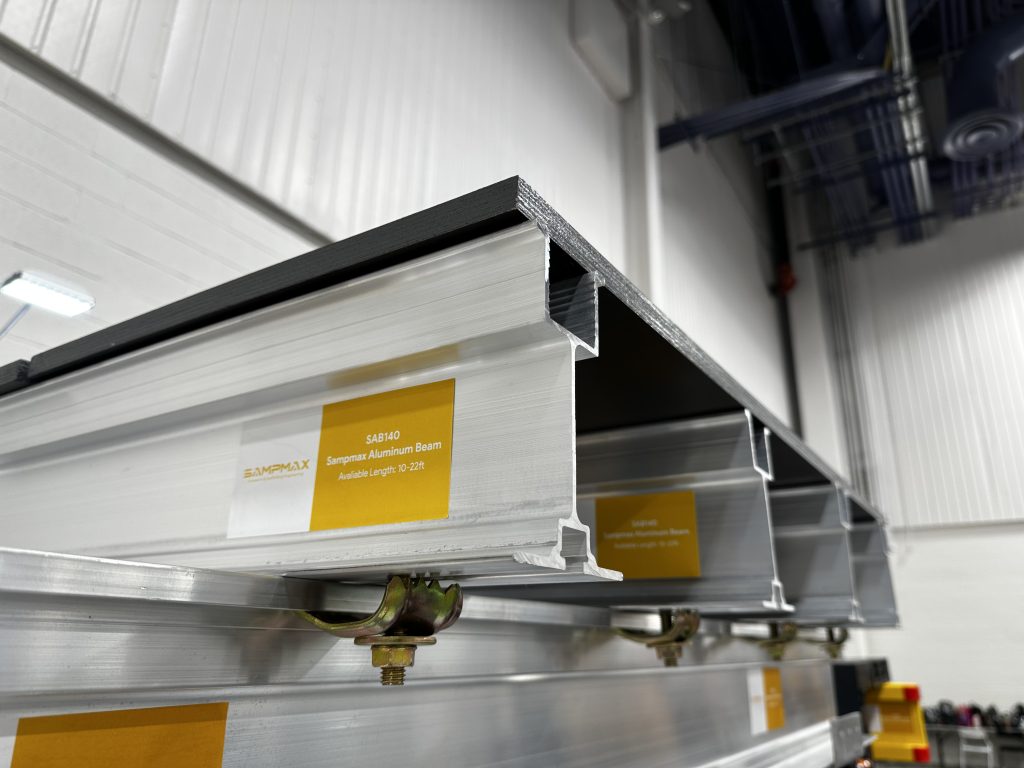
In the realm of modern construction formwork, traditional wooden formwork continues to dominate as the mainstream solution. However, the Sampmax SH20 Table Formwork System, with its innovative steel support design, is swiftly gaining traction as one of the most sought-after formwork and reinforcement systems available today. The SH20 system utilizes high-strength steel supports, paired with primary and secondary beams made of wooden H20 or aluminum alloy Beams, to reinforce floor slabs and beams. Its exceptional economic and social benefits have made it increasingly popular among construction companies worldwide.
Why Choose the Sampmax SH20 Table Formwork System?
The Sampmax SH20 Table Formwork System offers more than just improved construction efficiency—it delivers significant advantages in safety, quality, and sustainability. Below are its standout features and real-world performance highlights:
  • Safety and Reliability for Greater Construction Assurance
    Built with high-strength steel supports, the SH20 system exhibits minimal deformation under load, ensuring stable and dependable reinforcement. Laboratory tests conducted by Sampmax reveal that its deformation resistance surpasses that of conventional floor formwork by 30%, reducing risks associated with high-load conditions and enhancing overall safety. In a high-rise residential project in China in 2024, the SH20 system successfully supported complex floor structures with zero safety incidents, earning strong client confidence in Sampmax’s solutions.
  • Controllable Quality for Superior Engineering
    The SH20 system maintains construction tolerances within ±2mm (per Sampmax’s internal quality inspection report), a marked improvement over the ±5mm or greater deviations typical of wooden beams. In a villa complex project, the system improved floor flatness by 15%, leading to enhanced concrete molding and lower post-construction repair costs.
  • Cost Reduction with Significant Economic Benefits
    With a lifespan exceeding 300 reuse cycles (based on Sampmax durability tests), the SH20 steel supports offer exceptional durability and load-bearing capacity. On a per-square-meter basis, the system reduces amortized formwork costs by approximately 20%. For instance, in a 10,000-square-meter floor project, clients saved around $50,000 in material expenses, showcasing its economic value.
  • Convenient Construction with Doubled Efficiency
    Weighing an average of just 11.8 kg per unit, the SH20 steel supports are lightweight and easy to handle, transfer, and transport. Their modular design, simple accessories, and reliable connections accelerate installation by 40% compared to traditional systems. In a 2024 residential project, the SH20 system cut floor formwork installation time from 5 days to 3 days, significantly speeding up the construction timeline.
  • Wide Applicability to Meet Diverse Needs
    The SH20 system is versatile, supporting shear walls, frame columns, beams, and floor slabs across various project types, including small residential buildings, villa complexes, and medium-sized commercial developments. Its adjustable modular design adapts seamlessly to diverse layouts, eliminating the need for frequent system changes.
  • Civilized Construction and Environmental Friendliness
    Requiring no on-site cutting, the SH20 system minimizes pollution from wooden formwork processing, resulting in cleaner sites and easier cleanup. With a recycling rate exceeding 95% (per Sampmax’s material recycling report), its steel and aluminum components are highly sustainable. Using 1,000 square meters of the SH20 system saves approximately 2 cubic meters of wood—equivalent to preserving 0.5 hectares of forest—supporting green building initiatives.
Sampmax: Your Construction Formwork Expert
As a global leader in formwork and scaffolding solutions, Sampmax is dedicated to delivering safe, efficient, and eco-friendly products. The SH20 Table Formwork System exemplifies our innovative approach, having been deployed in projects across over 60 countries, covering more than 10 million square meters, and achieving a 98% client satisfaction rate (per the 2024 Sampmax client survey).
Client Case Study: Real-World Application of the SH20 Table Formwork System
In a 2024 villa complex project in southern China, the developer faced tight deadlines and budget constraints. Sampmax provided a customized SH20 solution for 15,000 square meters of floor construction, yielding impressive results:
  • Construction time was reduced by 25%, enabling early project delivery and earning client accolades.
  • Formwork costs dropped by 18%, saving nearly $80,000.
  • The project recorded zero safety incidents, and the site met local green building standards.
Contact Us to Start Collaboration
With its blend of safety, efficiency, and cost-effectiveness, the Sampmax SH20 Table Formwork System is revolutionizing the construction formwork industry. If you’re seeking a reliable formwork solution, Sampmax is your ideal partner! Reach out today for a free consultation and tailored proposal.
Phone: +86-186-5019-9353
Email: sales@sampmax.com
Website: www.sampmax.com
Sampmax: Safe Construction, Efficient Future!

”Wooden formwork + steel props”=the most popular formwork and support system currently


In the current construction formwork project, the application of wooded formwork is still mainstream. However, the use of steel props (complete steel props or steel square crossbar, etc.) instead of traditional wooden H20 beams as the formwork reinforcement system for the main and secondary back corrugations of the formwork has been more and more favored by construction units because this process brings economic benefits.


And social benefits:

a.Safe and reliable: The steel supporting keel is more rigid and less deformed than the wooden beam keel, and the reinforcement is stable and reliable;

b.Guarantee quality: The size of the steel props section is consistent, the construction error is controllable, and the component shape is better;

c.Reduce costs: There are many turnovers of steel props, low amortization costs, and significant benefits;

d.Easy construction: The steel support is light in weight, small in size, easy to handle, convenient in turnover and transportation;

e.Fast construction: Standardized and modular steel supporting components, simple accessories, strong applicability, uniform specifications, stereotyped connection, simplicity and reliable, and quick installation;

f.Wide applicability: Suitable for reinforcement of shear walls, frame columns, beams, and floor slab formwork;

g.Construction civilization: No processing on-site, no sawdust pollution, manual cleaning, and stacking are convenient;

h.Green: Save wood, protect forest resources, and steel support has high value for recycling and recycling.


Project completion effect:


What are the advantages of ringlock scaffolding?

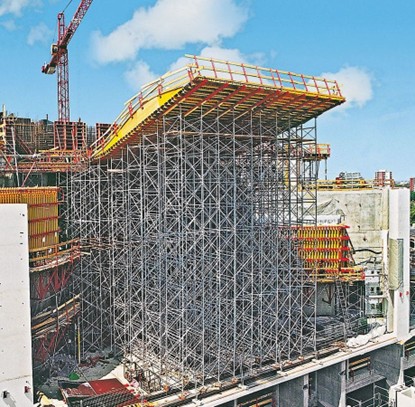
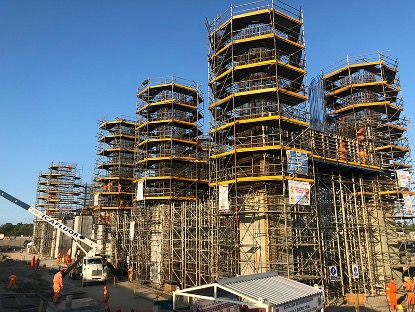
In recent years, in the Chinese construction market, ringlock scaffolding has gradually become the main Construction Scaffold, and cuplok scaffolding has gradually disappeared from everyone’s field of vision. Ringlock scaffolding is a new type of building a support system with diverse functions. According to different construction requirements, it can be constructed with different shapes and load-bearing capacity of single and group frame sizes, double-row scaffolds, support columns, support frames, and other functions. equipment.


Ringlock scaffolding is widely used in construction, municipal roads and bridges, rail transit, energy and chemical industry, aviation, and shipbuilding industry, large-scale cultural and sports activities temporary construction facilities, and other fields.


1. The main accessories of the scaffolding

The main accessories of Ringlock scaffolding are vertical, horizontal, diagonal brace, adjustable base, U-Head Jacks, etc.

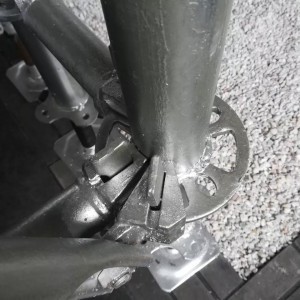
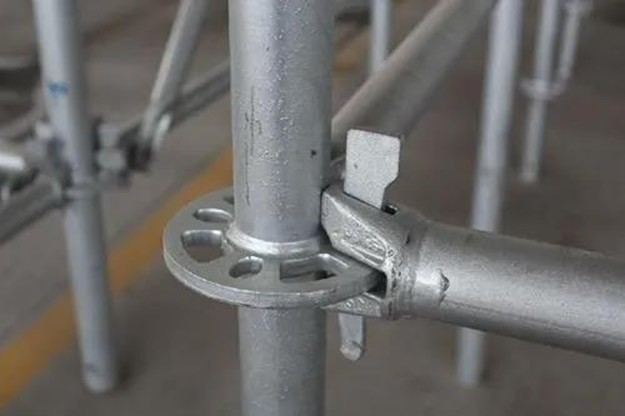
Vertical: A circular connecting plate that can be buckled with 8 direction joints is welded every 0.5 meters. One end of the vertical is welded with a connecting sleeve or an internal connecting rod to connect the vertical.

Horizontal: It is composed of a plug, a wedge pin, and a steel pipe. The crossbar can be buckled on the vertical rod disc.


Diagonal Brace: The diagonal rod is divided into the vertical diagonal rod and horizontal diagonal rod. It is a rod to ensure the stability of the frame structure. The two ends of the steel pipe are equi pped with buckle joints, and the length is determined by the spacing and a step distance of the frame.


Adjustable base: a base installed on the bottom of the frame to adjust the height of the scaffold.


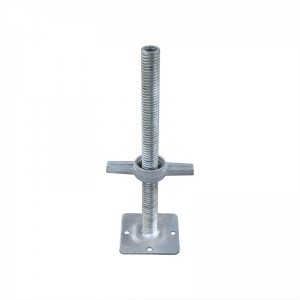
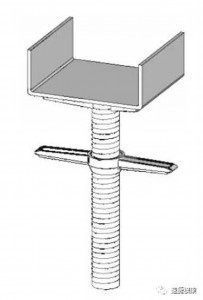
Adjustable U-head Screw Jacks: a screw jack installed on the top of the pole to accept the keel and adjust the height of the supporting scaffold.


2.Installation method of new type ringlock scaffolding


When installing, you only need to align the horizontal connector to the position of the ringlock plate, then insert the pin into the ringlock hole and pass through the bottom of the connector, and then hit the top of the pin with a hammer to make the arc surface on the horizontal joint tightly integrated with the vertical stantard.


The Vertical Standard is made of Q345B low-carbon alloy structural steel, Φ60.3mm, and the wall thickness is 3.2mm. The maximum load of a single standard is 20 tons, and the design load can be up to 8 tons.


The horizontal is made of Q235 material, the middle is 48.3mm, and the wall thickness is 2.75mm


The diagonal brace is made of Q195 material, Φ48.0mm, and the wall thickness is 2.5mm; the disc is made of Q345B material, and the thickness is 10mm; this system is equipped with a special vertical diagonal brace, instead of steel pipe fastener type vertical scissor brace, vertical rod synchronous design, opposite The verticality of the rod is synchronized to correct the deviation. According to the current engineering experience, the supporting scaffold in the ringlock can be erected at a height of 20-30 meters at one time.


3.The detailed breakdown of the scaffolding


4.Why is the ringlock scaffolding more and more popular?

  • Advanced technology: The ringlock connection method has 8 connections for each node, which is an upgraded product of the scaffolding currently used worldwide.
  • Raw material upgrade: The main materials are all made of vanadium-manganese alloy structural steel, whose strength is 1.5-2 times higher than that of traditional scaffolding ordinary carbon steel pipe (GB Q235).
  • Hot Zinc Process: The main components are treated with an internal and external hot-forged zinc anti-corrosion process, which not only improves the service life of the product, but also provides a further guarantee for product safety, and at the same time, it is beautiful and beautiful.
  • Large bearing capacity: Taking the heavy support frame as an example, the single standard (060) allows the bearing load to reach 140KN.
  • Less consumption and lightweight: In general, the spacing of the poles is 1.2 meters, 1.8 meters, 2.4 meters, and 3.0 meters. The stride of the crossbar is 1.5 meters. The maximum distance can reach 3 meters, and the step distance can reach 2 meters. Therefore, the consumption under the same support area will be reduced by 60%-70% compared with the traditional cuplok scaffolding support frame.
  • Fast assembly, convenient use, and cost-saving: due to the small amount and lightweight, the operator can assemble more conveniently, and the efficiency can be increased by more than 3 times. Each person can build a 200-300 cubic meter frame per day. Comprehensive costs (set-up and disassembly labor costs, round-trip transportation costs, material rental costs, mechanical shift fees, material loss, wastage costs, maintenance costs, etc.) will be saved accordingly. Generally, it can save more than 30%.


5.Compare to the cuplok scaffolding, what are the advantages ringlock scaffolding has?


6.Low purchase cost

Compared with the cuplok scaffolding, it saves more than 1/3 of the steel consumption. The reduction of steel consumption is in line with the national policy orientation of a low-carbon economy, energy-saving, and emission reduction. In addition to huge social benefits, it also provides a reliable and guaranteed formwork support system for construction units, which greatly reduces the purchase cost of enterprises.


7.Low tower construction cost

The ergonomic efficiency of the steel pipe fastener scaffolding facility is 25-35m³/man-day, the ergonomic efficiency of demolition construction is 35-45m³/man-day, the ergonomic efficiency of the cuplock scaffolding facility is 40-55m³/man-day, and the demolition ergonomic efficiency is 55-70m³/ The work efficiency of the ringlock scaffolding facility is 100-160m³/man-day, and the work efficiency of demolition is 130-300m³/man-day.


8.Long product life

All are treated with hot-dip galvanizing process, with a service life of more than 15 years.

Sampmax launched a new mold scaffolding system: Wedge Binding Scaffold

On June 3, 2021, Sampmax released a new type of wedge binding scaffold. Compared with ringlock scaffold and cuplock scaffold, this kind of scaffold has obvious advantages in construction method, construction height, construction area and construction speed. More importantly, the wedge binding scaffolding can reduce the construction cost by more than 50% in terms of material consumption, labor costs and transportation costs.


This kind of scaffolding is also called Japanese system scaffolding. It is a high-quality modular scaffolding system, and it is one of the most commonly used scaffolds for aerial work in Japan and Southeast Asian countries. It consists of a large number of easily replaceable components, and when used in conjunction with each other, provides a highly adaptable scaffolding solution, whether for residential, commercial or industrial use.


Its column is made of O.D. 48.3mm x 2.41mm high-quality light-weight steel pipe, which can provide safe and heavy-duty support for scaffolding. All components are hot-dip galvanized, and the service life can reach more than 10 years.


Contact your sales inquiries for more detailed details.


The proportion of several plastic formwork used in construction projects

The plastic formwork has a perfect fair-faced concrete effect, is smooth and clean, beautiful and light, easy to demold, no mold release agent, high turnover times, and low economic cost. The hollow plastic template series can be sawed, cut, drilled, nailed, and can be formed into any geometric shape at will to meet the needs of various shapes of building support. The structure of the new hollow plastic template is more reasonable, and the flame retardant material, anti-aging agent and other additives are added. more stable. The glass fiber reinforced ribbed plastic template series have high strength, high degree of tooling, fewer components, and the combination of male and female angles has advantages. It can be pre-made into various types.


Plastic formwork is widely used in housing construction, sports facilities and large public buildings, infrastructure, railways, highways, bridges, comprehensive pipe corridors and other engineering fields. At present, the proportion of plastic formwork in the template industry market is only 5%-7%, and the future market space is huge.


There are currently three types of plastic formwork on the market, Flat plastic formwork, One-way ribbed plastic formwork, and Two-way ribbed plastic formwork. We conducted the following investigation based on the construction situation in China and found that:

A. Application in residential and high-rise office buildings: plastic slabs account for about 60% (of which foamed slabs account for 45%, ribbed plastic slabs account for 5%, and hollow plastic slabs account for 10%); unidirectional ribbed plastic formwork accounts for about 15%. Two-way ribbed plastic template accounts for about 25%.


B. Application in public construction projects: plastic slabs account for about 20% (mainly hollow slabs); one-way ribbed formwork accounts for about 20%; two-way ribbed formwork accounts for about 60%


C. Application in municipal engineering: plastic slabs account for about 10%, one-way ribbed formwork accounts for about 15%, and two-way ribbed formwork accounts for about 75%


D.Application in highway engineering: basically it is based on two-way ribbed plastic formwork, accounting for about 90%, and the rest is other plastic formwork.

Sampmax attached lifting scaffold (climbing scaffolding) Introduction


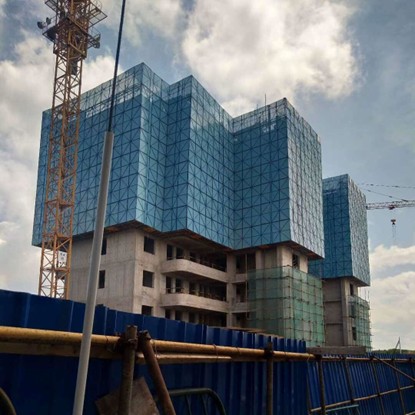
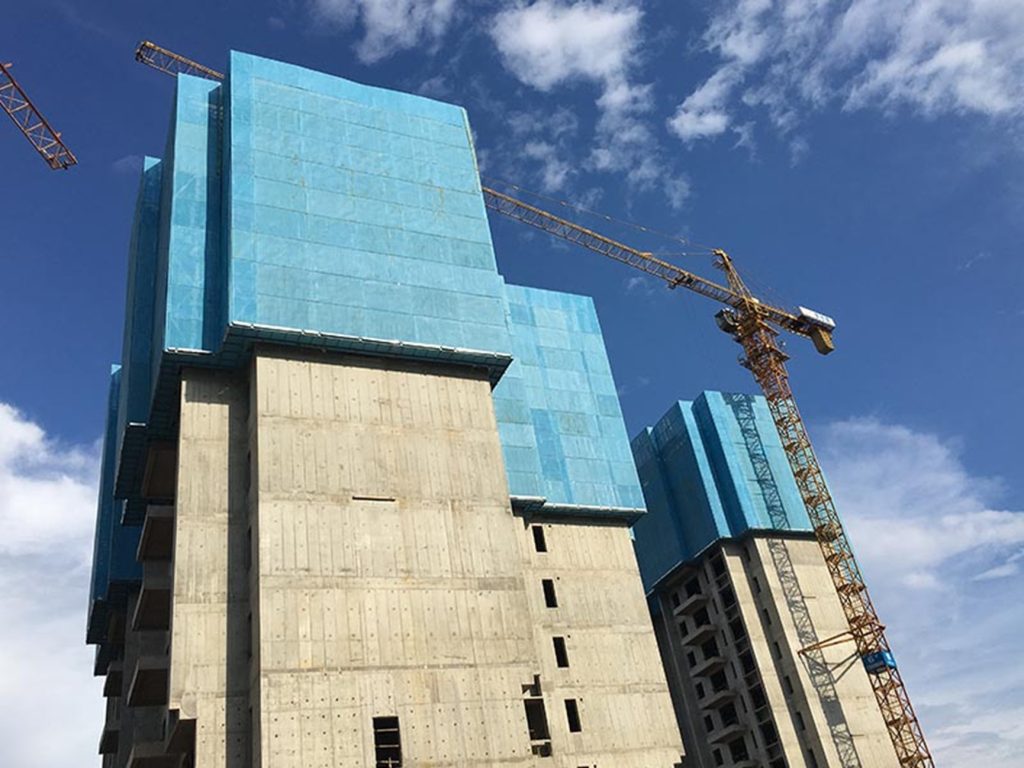
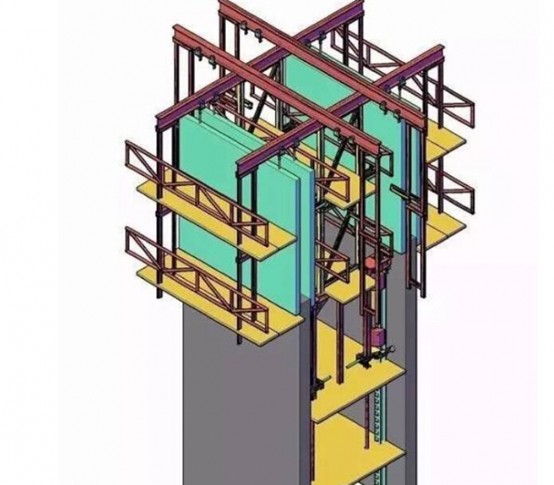
The development of climbing scaffolding The climbing scaffolding is also called the lifting scaffolding, which is a scaffold attached to the building and realized the overall lifting according to the power device. According to the different power devices, climbing scaffoldings are generally divided into electric, hydraulic, and manual hand-pull types.


The electric type is more commonly used recently. With the gradual increase of high-rise buildings in cities, the safety, economy, practicality, and aesthetic requirements of the lining and external scaffolding engineering during construction have also attracted more and more attention.


The attached lifting foot is in line with the traditional steel pipe foot in a scaffolding that saves labor. It saves materials, its simple structure and convenient operation are widely welcomed by construction units, and it has become the first choice for the construction of high-rise buildings.


The whole climbing scaffolding adopts all-steel structure. It has several features such as integrated equipment, low building and high use, fully enclosed protection, one special sub-safety equipment, and no fire hazard feature. In the high-rise (the number of floors is more than 16) scaffolding structure, scaffolding-shear structure and tubular structure, the structural floor plan is regular or in the construction of super high-rise building concrete main body, the application of climbing scaffolding accounts for 30%-50%.


Advantages of climbing scaffolding


1.Attached climbing scaffolding “reasonable structure and good overall performance”


2.The anti-tilting and anti-falling device is safe and reliable


3.The operation adopts microcomputer control, which can realize automatic load limitation, automatic adjustment, and automatic stop report in case of failure during the climbing process.


4.Strong adaptability to buildings and site operability.


5.Climbing scaffolding is assembled on site, realizing engineering and standardization


6.The input of materials is greatly reduced, and it is set up once and used for recycling, which saves labor


7.No interference with vertical transportation equipment, greatly reducing the load of vertical transportation equipment


8.The operation is convenient and simple, which improves the utilization rate of the tower crane, which helps to speed up the progress and shorten the construction period


9.Safe and disposable, the bottom of the scaffolding body is sealed with the structure floor, which greatly reduces hidden safety hazards


10.Avoid repeatedly erecting external scaffoldings at high places, improve the working environment of a scaffolding worker, and reduce accidents


11.The adopted load synchronization control system avoids potential safety hazards caused by overload or loss of load


12.The scaffolding body is an all-steel structure to prevent fire


Sampmax Cases Studies 2020

Overview: 2020 will be an extraordinary year for the global construction industry. The construction industry has the characteristics of labor-intensive, many open-air operations, and shifting of production sites along with construction projects. Compared with traditional manufacturing, standardized management is more difficult, and the conditions for epidemic prevention and control are more complicated. Affected by factors such as the suspension of construction for the prevention and control of the epidemic and the slow rework of construction workers, the pace of construction projects for Sampmax customers was also forced to slow down. But we still have some new cases in 2020.


Case One


Kene Center is a project which located in Yangzhou, China. The elevation of the top surface of the main structure is 300 meters, and the building floors above ground are 72 layers. It contains the Bank, offices, conference, hotels and auxiliary facilitates. Steel reinforced concrete tube structure with peripheral wall by 1300 ㎜ change to 350 ㎜, 100 ㎜ biggest change. Structural height is 4150 ㎜, and various non-standard layer.


Case Two


Queen Peak of the pink project, Singapore is Singapore’s first using the integrated climb construction of the project, the project itself aluminum template construction, item difficulty is the balcony all roundness hu, sealing of the integrated climbing itself is a big challenge, the company through excessive flap and overall flap for climbing scaffold platform, normal after construction project effect is remarkable, social influence is bigger.


In modern building construction, formwork and scaffolding play an important role. The quality of formwork and scaffolding products is directly related to project quality and construction safety. Formwork and scaffolding are an important part of the construction industry. The progress of the climbing formwork industry has promoted the development of the construction industry and the logistics industry, and has achieved obvious self- and social benefits. At present, our company pays great attention to quality control while providing climbing formwork.


All Sampmax climbing formwork is strictly inspected and certified. In 2021, we will adhere to the safety first principle and provide safer products for the industry.

How to ensure the safety of ringlock scaffolding operation?


Firstly, find out the factors that affect the safety of ringlock scaffolding. There are three main aspects: one is the safety and reliability of ringlock scaffolding itself, the second is the safety protection measures of ringlock scaffolding, and the third is the safe operation of ringlock scaffolding. Let’s take a look separately.


Ruggedness and stability are the safe and reliable foundation of ringlock scaffolding. Under allowable load and weather conditions, the structure of ringlock scaffold must be stable without shaking, shaking, tilting, sinking, or collapsing.


To ensure the safety and reliability of ringlock scaffolding, the following basic requirements should be ensured:

1) The frame structure is stable.
The frame unit shall be of a stable structure; the frame body shall be provided with diagonal rods, shear braces, wall rods, or bracing and pulling parts as required. In the passages, openings, and other parts that need to increase the structural size (height, span) or bear the specified load, strengthen the rods or braces according to the needs.


2) The connection node is reliable.
The cross position of the rods must meet the requirements of the node structure; the installation and fastening of the connectors meet the requirements. The connecting wall points, support points and suspension (hanging) points of the disc-buckle scaffolding must be set at the structural parts that can reliably bear the support and tension load, and the structure check calculation should be carried out if necessary.


3) The foundation of the disc scaffold should be firm and firm.
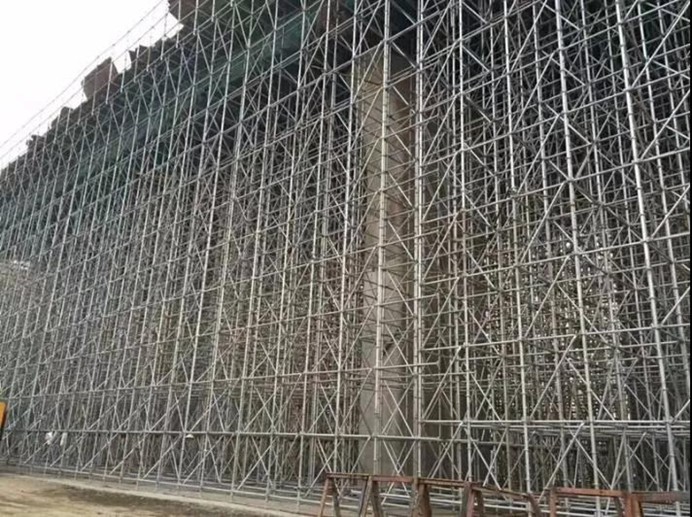


Safety protection of disc scaffolding

The safety protection on the ringlock scaffold is to use safety facilities to provide safety protection to prevent people and objects on the rack from falling. Specific measures include:

1) Ringlock scaffolding

(1) Safety fences and warning signs should be set up on the job site to prohibit irrelevant personnel from entering the dangerous area.

(2) Temporary supports or knots should be added to the ringlock scaffolding parts that have not been formed or have lost structural stability.

(3) When using a seat belt, a safety rope should be pulled when there is no reliable seat belt buckle.

(4) When dismantling the ringlock scaffolding, it is necessary to set uplifting or lowering facilities, and throwing is prohibited.

(5) Movable ringlock scaffolds such as hoisting, hanging, picking, etc., should be supported and pulled to fix or reduce their shaking after moving to the working position.


2) Operating platform (work surface)

(1) Except that 2 scaffolding boards are allowed to be used for decoration ringlock scaffolding with a height of less than 2m, the working surface of other ringlock scaffolding shall not be less than 3 scaffold boards, and there is no gap between the scaffold boards. The gap between the faces is generally not more than 200mm.

(2) When the scaffold board is flat-joined in the length direction, its connecting ends must be tightened, and the small crossbar under its end should be fixed firmly and not floating to avoid sliding. The distance between the center of the small crossbar and the board ends should be Control in the range of 150-200mm. The scaffold boards at the beginning and end of the ring lock scaffold should be reliably bolted to the ringlock scaffold; when lap joints are used, the lap length must not be less than 300mm, and the beginning and end of the scaffold must be fastened firmly.

(3) The protective facilities facing the outer facade of the operation can use scaffolding boards plus two protective railings, three railings plus outer plastic woven cloth (height not less than 1.0m or set according to steps). Two levers are used to tie a bamboo fence with a height of not less than 1m, two railings are fully hung with safety nets or other reliable enclosure methods.

(4) The frontage and pedestrian transportation channels:
① Use plastic woven cloth, bamboo fence, mat, or tarpaulin to completely close the street surface of the ringlock scaffolding.
②Hang safety nets on the frontage, and set up safety passages. The top cover of the passage should be covered with scaffolding or other materials that can reliably bear falling objects. The side of the canopy facing the street should be provided with a baffle no less than 0.8m higher than the canopy to prevent falling objects from rebounding onto the street.
③ Pedestrian and transportation passages that are close to or passing through the ringlock scaffolding must be provided with tents.
④The entrance of the upper and lower ringlock scaffolding with a height difference should be provided with ramps or steps and guardrails.


The safe operation of using ringlock scaffolding


1) The use load must meet the following requirements

(1) The load on the working surface (including scaffolding boards, personnel, tools and materials, etc.), when the design is not specified, the masonry work frame load shall not exceed 3kN/㎡, and the other main structural engineering workload shall not exceed 2kN/㎡, The load of decoration work shall not exceed 2kN/㎡, and the load of protection work shall not exceed 1kN/㎡.

(2) The load on the work surface should be evenly distributed to avoid excessive loads being concentrated together.

(3) The number of scaffolding layers and simultaneous working layers of ringlock scaffolding shall not exceed the regulations.

(4) The number of paving layers and load control of the transfer platform between the vertical transportation facilities (Tic Tac Toe, etc.) and the ringlock scaffold shall not exceed the requirements of the construction organization design, and the number of paving layers and excessive stacking of construction materials shall not be arbitrarily increased.

(5) Lining beams, fasteners, etc. should be installed along with the transport, and shall not be stored on the ringlock scaffolding.

(6) Heavier construction equipment (such as electric welders, etc.) shall not be placed on the ringlock scaffolding.


2) The basic components and connecting wall parts of the scaffold shall not be dismantled arbitrarily, and various safety protection facilities of the scaffold shall not be dismantled arbitrarily.
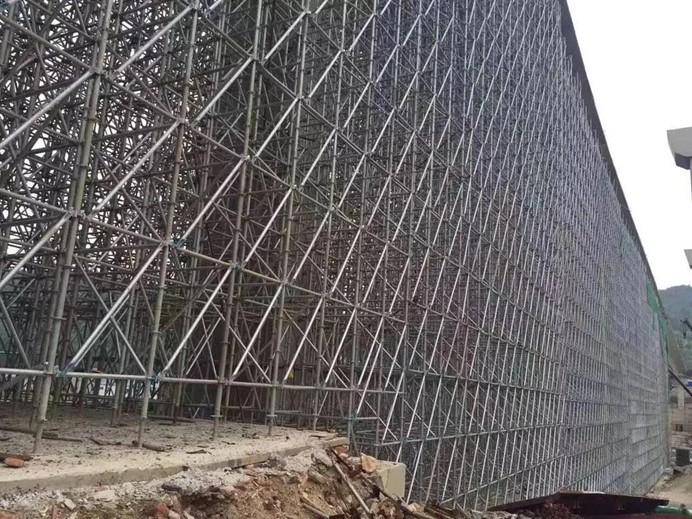


3) Basic rules for the correct use of disc scaffolding

(1) The materials on the working surface should be cleaned up in time to keep the working surface tidy and unobstructed. Do not place tools and materials randomly, so as not to affect the work safety and cause falling objects and hurt people.
(2) At the end of each work, the materials on the shelf have been used up, and the unused ones should be stacked neatly.
(3) When performing operations such as prying, pulling, pushing, and pushing on the working surface, take the correct posture, stand firm or hold a firm support, so as not to lose stability or throw things out when the force is too strong.
(4) When electric welding is performed on the working surface, reliable fire prevention measures should be taken.
(5) When working on the rack after rain or snow, the snow and water on the working surface should be removed to prevent slipping.
(6) When the height of the working surface is not enough and needs to be raised, a reliable method of raising shall be adopted, and the height of raising shall not exceed 0.5m; when it exceeds 0.5m, the paving layer of the shelf shall be raised according to the erection regulations.
(7) Vibrating operations (rebar processing, wood sawing, placing vibrators, throwing heavy objects, etc.) are not allowed on the disc-buckle scaffolding.
(8) Without permission, it is not allowed to pull wires and cables on the buckle scaffolding, and it is not allowed to use open flames on the buckle scaffold.

Sampmax provides construction material supply to Dos Bocas refinery, Mexico

In October 2020, two 40HQ containers departed from Qingdao, China, and destined for Manzanillo, Mexico. These are adjustable steel prop and film faced plywood provided by Sampmax Construction for the construction of the Dos Bocas refinery in Paraíso, Basco, Mexico.


This refinery has great technical, economic, environmental and political significance in Mexico. The project has symbolic significance to Andrés Manuel López Obrador’s government. Its goal is to strengthen PEMEX, reduce Mexico’s energy dependence on gasoline imports, generate added value through the conversion of its natural resources, and save federal government resources through finances.


The climbing frame is suitable for the main body of the building above 45 meters, and can be applied to the main body of various structures. It adopts an all-steel structure as a whole, with integrated equipment, low construction and high use, fully enclosed protection, professional safety equipment, no fire hazards, etc. Features.

With the construction climbing frame, not only there are fewer safety accidents, but more importantly, your steel investment is reduced, which is equivalent to less loss of green protective nets.

Only need to press a button to achieve the climbing frame ascending completely automatically. It only takes a few workers to achieve it, and you no longer have to worry about the coordination of workers.


The refinery project started on July 26, 2019, and the expected opening date is June 1, 2022.
The refinery will have 17 processing plants. Sampmax Construction will only provide the scaffolding system and formwork for the Coke Plant for this project.