

-

-

-
 2026-01-04MEGA Series Zinc-Aluminum-Magnesium (ZAM) High-Strength Steel Formwork: A Practical and Easy Guide for the Construction & Formwork IndustryREAD IT >
Zinc-aluminum-magnesium (ZAM) coated steel—also known as ZAM steel or ZAM high-strength steel—has been used for years in automotive and protective applications. But in the construction industry, especially in formwork systems, steel formwork, and aluminum formwork replacement solutions, ZAM has only become widely discussed in recent years.
As contractors look for longer-lasting formwork panels, corrosion-resistant steel formwork systems, and cost-efficient alternatives to aluminum formwork, ZAM coated steel is quickly becoming a trending material in modern construction projects worldwide.
- What Exactly Is ZAM — and Why Is It Becoming Popular in Formwork Systems?
ZAM is essentially an advanced version of hot-dip galvanized steel, created by adding aluminum and magnesium into the zinc coating. This gives ZAM-coated steel several major advantages that matter to formwork and concrete construction:
a. 2–10× stronger corrosion resistance than standard galvanized steel
b. Superior salt-spray performance, ideal for coastal construction project
c. “Self-healing” edge protection after cutting or machining
d. A smoother and more durable surface, ideal for high-turnover formwork panels
e. Significantly longer service life in concrete works
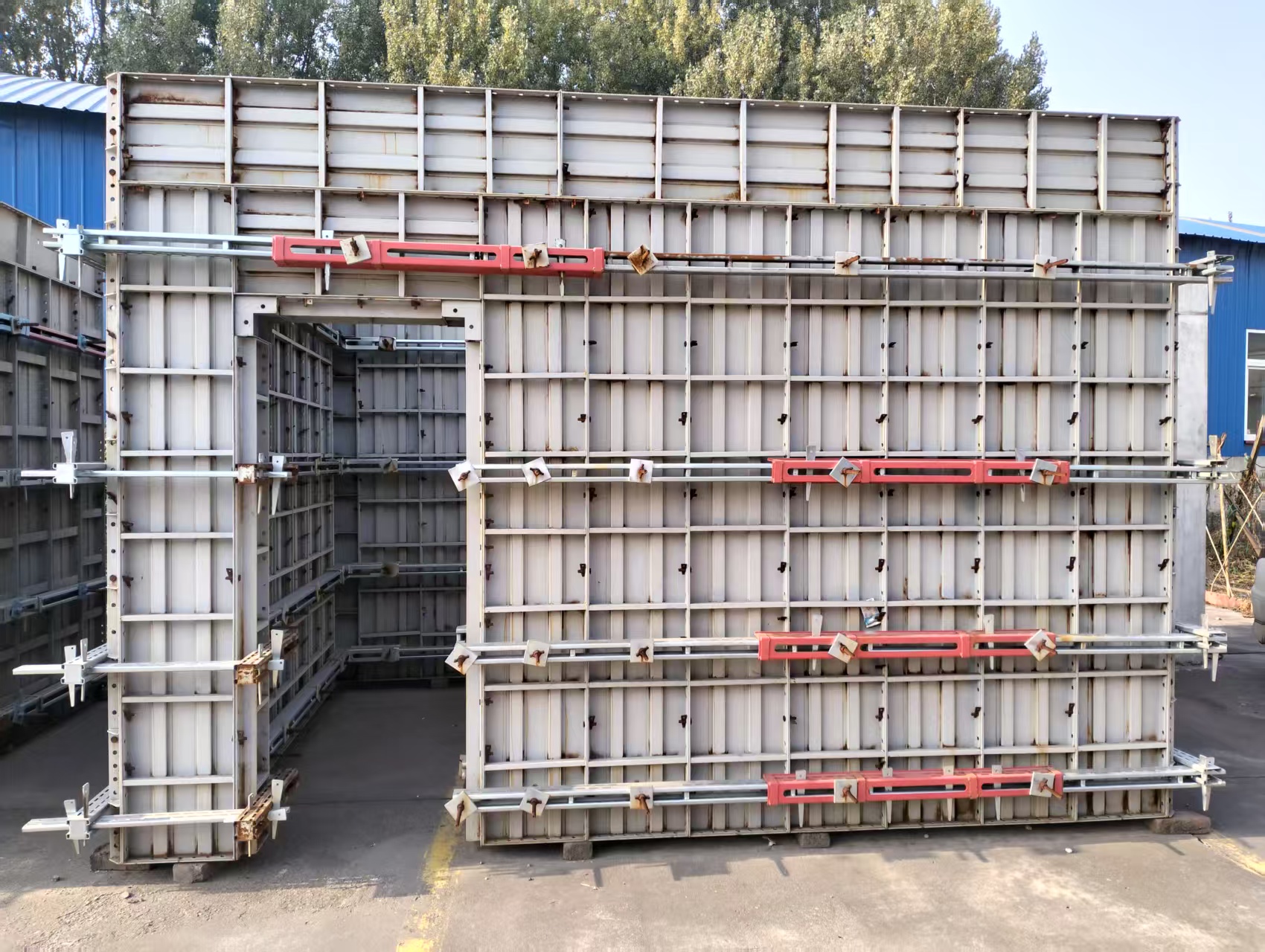
Because aluminum formwork has become increasingly expensive worldwide, ZAM high-strength steel formwork panels offer a more cost-effective alternative. They are fully compatible with aluminum formwork systems, making them a strong candidate for contractors transitioning from aluminum to hybrid or steel formwork systems.
ZAM formwork has seen rapid adoption in the Middle East, Europe, and Southeast Asia, especially in high-rise, housing, and infrastructure projects.
- Key Advantages of ZAM High-Strength Steel Formwork
1) Excellent corrosion resistance
ZAM steel performs exceptionally in humid, alkaline, and salt-rich construction environments. For concrete formwork, where repeated contact with wet concrete is common, this resistance extends the lifespan of the panels.
2) Natural “self-healing” on cut edges
After cutting formwork panels or punching holes, magnesium helps form a protective film over exposed steel—reducing rust formation and extending reuse cycles.
3) Better long-term durability and more reuse cycles
Compared with traditional galvanized steel formwork, ZAM maintains panel flatness and coating integrity much longer—an important factor for formwork rental companies and high-turnover construction projects.
4) Lower maintenance cost for formwork systems
The smoother surface makes cleaning concrete residue easier. This reduces repair cost, refurbishment time, and jobsite maintenance work.
- Welding Challenges: The Main Limitation of ZAM in Formwork Manufacturing
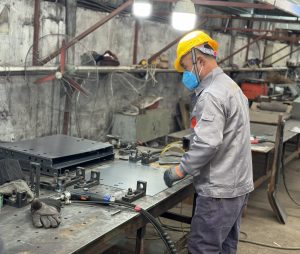
Although ZAM offers superior corrosion resistance, it presents well-known challenges during formwork fabrication, especially in welding. These challenges come primarily from magnesium’s low melting point and volatility.
Common welding problems for ZAM steel formwork include:
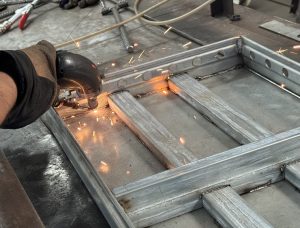
1) Increased spatter and unstable welding arcs
Evaporated zinc and magnesium disturb the welding arc, affecting weld consistency.
2) Porosity in weld seams
Gas trapped in the molten pool forms pores that reduce weld strength—critical for load-bearing formwork frames.
3) Risk of micro-cracks
At high heat, zinc/magnesium may penetrate grain boundaries and cause tiny cracks (liquid metal embrittlement), especially concerning for formwork beams, frames, and panels.
4) Unstable spot welding and roll welding
The surface coating interferes with electrical conduction, making welding less predictable.
Industry solutions now include laser welding, coating removal at welding zones, optimized welding wires, low-CO₂ gas mixes, and tight heat-input control.
But even with modern techniques, certain practical limits remain:
a. Weld seams cannot regain ZAM coating protection
b. Large-scale formwork production cannot realistically perform “remove coating → weld → recoat”
c. Construction formwork faces harsher environments than automotive applications
Therefore, ZAM is strong and protective—but welded joints remain the natural weak point in long-term formwork applications.
- MEGA S and MEGA Q: Two Engineered Solutions for Modern Concrete Formwork
Understanding that ZAM is a “high-performance but welding-sensitive” material, Sampmax developed two specialized formwork systems to meet different jobsite needs.
1) MEGA S — ZAM High-Strength Steel Formwork
(Lightweight, economical, compatible with aluminum formwork systems)
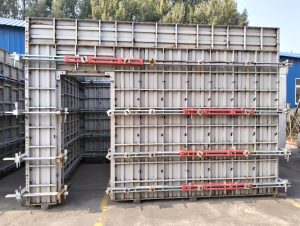
MEGA S is designed for contractors looking for a steel-alternative formwork that matches aluminum formwork dimensions and accessories.
Key benefits:
a. 100% compatible with aluminum formwork systems
Many global contractors use 65 mm formwork frames. MEGA S adopts the same dimension, making it easy to mix with existing aluminum formwork.
b. Lightweight and high strength
Ideal for fast-cycle concrete works and high-rise projects.
c. Great cost-performance ratio
One of the most efficient “steel instead of aluminum” systems on the market.
d. Perfect for standardized formwork systems and contractors transitioning from aluminum formwork.
2) MEGA Q — Q980 High-Strength Steel Formwork
(For heavy-duty, long-term, and coastal construction projects)
To overcome the welding limitations of ZAM, Sampmax developed MEGA Q—a high-strength steel formwork system designed specifically for durability.
Key features:
a. Q980 high-strength steel with excellent weldability
Welding is stable and free from ZAM coating evaporation issues.
b. Full spray-coating protection
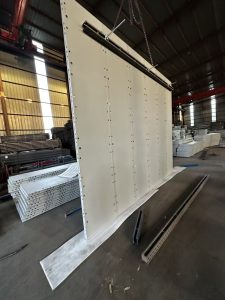
Weld seams, cut edges, and corners are fully coated, solving the biggest weakness of ZAM steel formwork.
c. Consistent appearance and superior durability
Ideal for repeated use, heavy-duty concrete works, and rough handling.
Best suited for:
a. Long-term or large-scale construction projects
b. Marine, coastal, and salt-heavy environments
c. Contractors needing uniform appearance and high durability in their formwork panels
Summary: Two Formwork Solutions Built for Real Construction Needs
-MEGA S delivers maximum compatibility with aluminum formwork systems, offering a lighter, more affordable way to reduce system cost.
-MEGA Q provides the most stable welding quality and long-term corrosion protection, making it ideal for tough environments and high-demand projects.
Both systems have already proven successful in the Middle East, Europe, and Southeast Asia, helping contractors upgrade their formwork systems, reduce maintenance costs, and achieve better lifecycle performance.
For more information, contact us: