

-

-

-
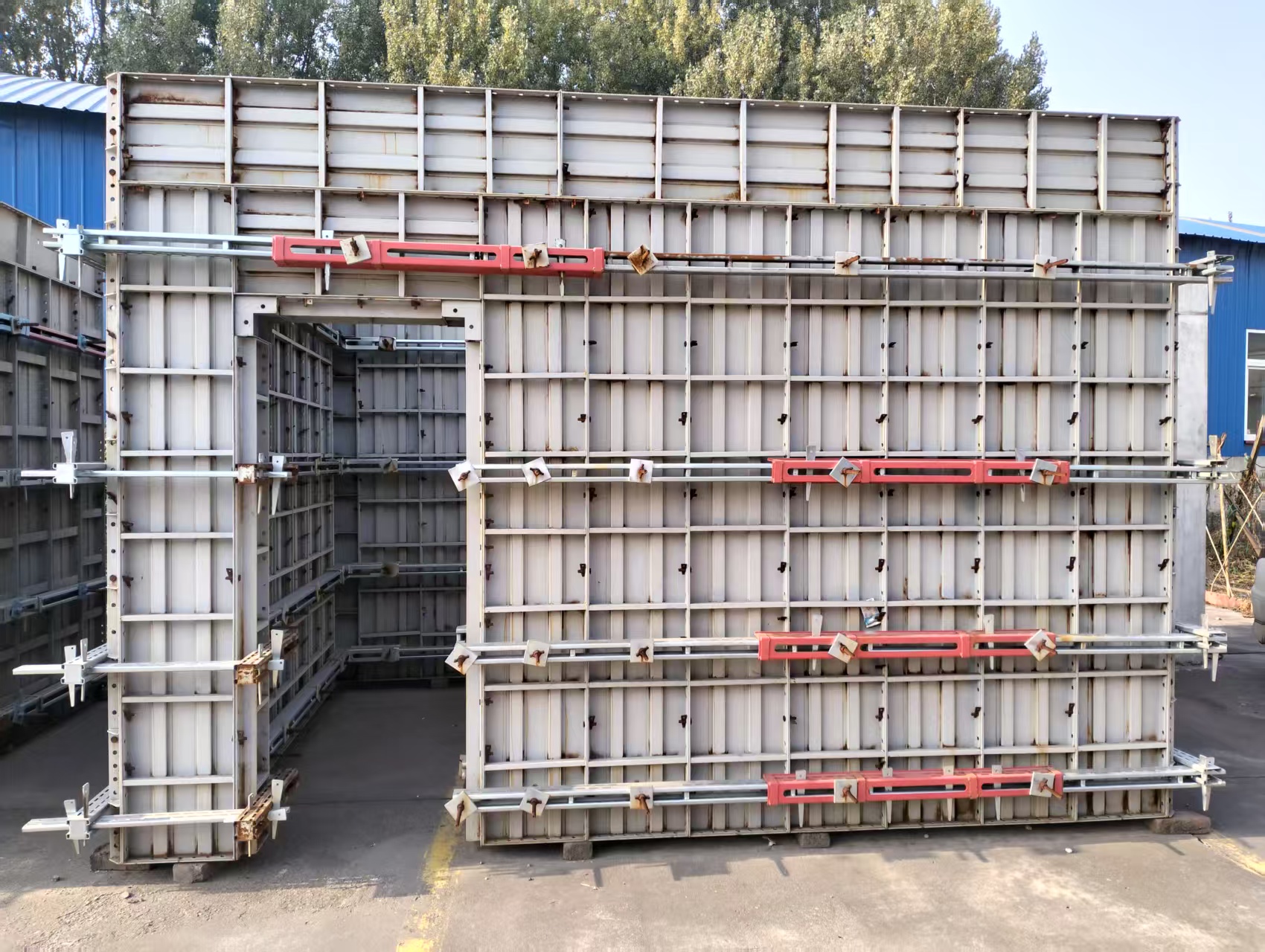 2026-01-04MEGA Series Zinc-Aluminum-Magnesium (ZAM) High-Strength Steel Formwork: A Practical and Easy Guide for the Construction & Formwork IndustryREAD IT >
Plywood: A Versatile Material for Modern Construction
Plywood is one of the most used engineered wood products, known for its strength, flexibility, and cost-efficiency. Whether in residential construction, commercial infrastructure, furniture manufacturing, or even marine applications, plywood continues to serve as a vital building material across industries. But what exactly is plywood, and what makes it so reliable and popular?
What is Plywood?
Made by gluing together thin veneers. The veneers are usually arranged so that the grain of each layer runs from the right angle to the one above and below it. This cross-grained structure greatly improves strength, minimizes shrinkage and expansion, and reduces the risk of splitting when nailed at the edges. As a result, plywood is more dimensionally stable than traditional wood.
Common plywood thicknesses range from 3mm to 25mm, depending on the intended use. From structural panels to decorative surfaces, the versatility of plywood is truly remarkable.
How to Distinguish Plywood According to the USE?
We call the plywood commercial plywood, fancy plywood when they are used in the future industry. The fancy plywood is called high-grade plywood is usually finished on the top and bottom surfaces, including high-grade veneer, PVC or melamine paper, etc., to make beautiful furniture panels or cabinet panels. Commercial plywood normally used in the middle of the furniture, so the veneers and surface treatment should be not such high end and high cost.
Another important use of plywood is on construction sites. People cover plywood with a layer of resin film, plastic film or even MDO film. These films are easy to separate from concrete after being brushed the release agent, thereby increasing the reuse rate of plywood on construction sites. We call such plywood film-faced plywood, and some brands such as Peri call them PSF.
Types of Wood
The most important material to the plywood is the veneer type, let’t identify it by wood types:
1.Softwood Plywood: Usually made from poplar, pine, or spruce.
2.Hardwood Plywood: Made from hardwood species like birch, oak, or maple, and commonly used in furniture and cabinetry.
3.Marine Plywood: Designed for high-moisture environments, this type uses waterproof adhesive and is often made from tropical hardwoods.
4.Exterior Plywood: This type is treated to resist moisture and is often used in outdoor construction projects.
Plywood is Important in Construction
In the construction industry, plywood is often used in formwork for concrete pouring, roofing systems, flooring underlayment, wall sheathing, and partitions. Its high strength-to-weight ratio and wide availability make it ideal for large-scale projects that demand both performance and efficiency.
Plywood can also be enhanced with surface treatments or laminated coatings to improve moisture resistance, impact resistance, or chemical durability, making it suitable for even more demanding environments.
Looking for a high-performance plywood panel that meets the rigorous demands of construction?
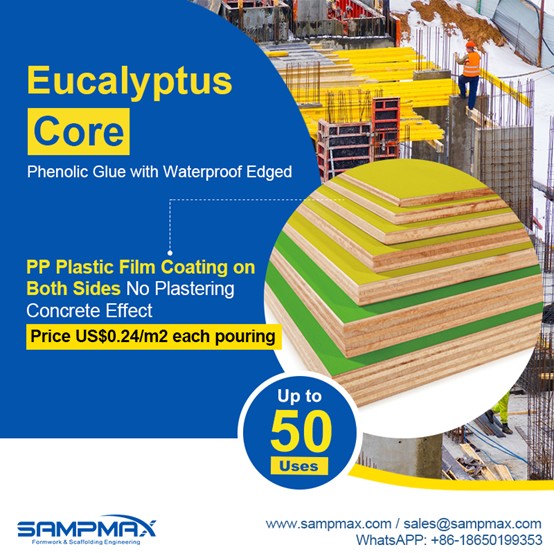
Sampmax SPPEY18 is the ultimate solution for slab formwork and other heavy-duty applications. Made of eucalyptus veneers bonded in a cross-banded structure, it offers superior strength and dimensional stability. The panel uses phenolic glue that meets EN636-3 standards and passes a boiling test of up to 72+ hours, ensuring long-lasting performance in wet and high-pressure environments.
What sets it apart is its 0.5mm thick Polypropylene (PP) plastic coating on both sides, which provides excellent wear-resistance, corrosion-resistance, and protection against acid and alkali. With enhanced hardness and reusability, Sampmax SPPEY18 is built to withstand even the toughest job sites.
Upgrade your construction materials today with Sampmax SPPEY18 — engineered for durability, designed for performance.