


Is Aluminum Formwork the Best Choice for Every Project?
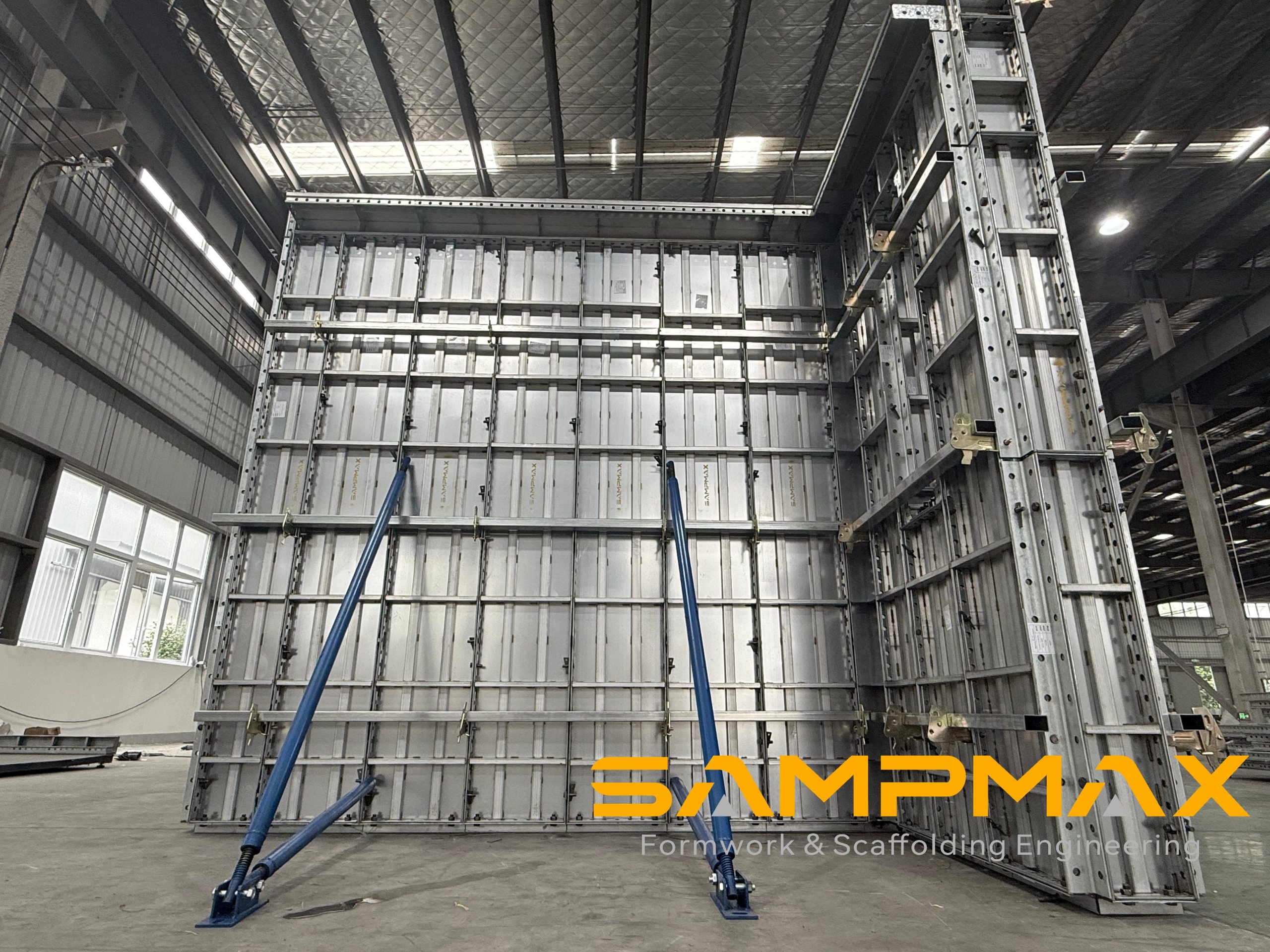
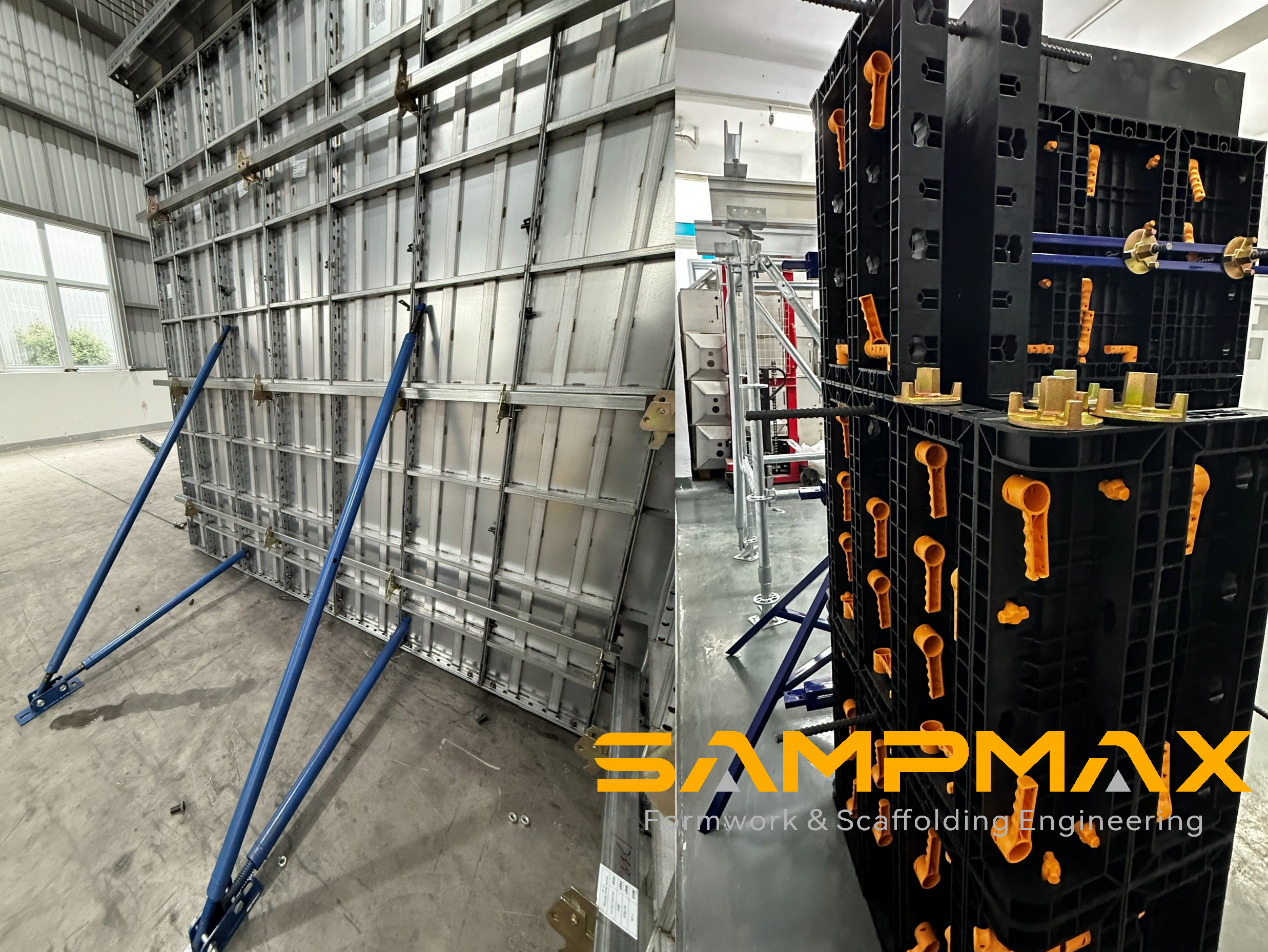
Aluminum alloy formwork has become one of the most widely adopted formwork systems in modern concrete construction, especially for high-rise residential projects. Its lightweight structure, fast installation, and high reusability make it highly efficient for buildings with standardized designs and repetitive floor cycles.
However, for contractors and developers, the key question is no longer whether aluminum formwork works. The real challenge is:
Does aluminum formwork always provide the best return on investment for every construction project?
While aluminum formwork performs exceptionally well in highly repetitive buildings, its high initial investment, customized design requirements, and limited adaptability can create challenges for projects with different structures or changing construction requirements.
To achieve better asset utilization and investment efficiency, many contractors are exploring more flexible alternatives. MEGAS ZAM Steel Formwork provides a practical solution by combining aluminum formwork compatibility, high structural performance, corrosion resistance, and a more balanced investment approach. Its panel dimensions are designed to match aluminum formwork systems, allowing contractors to gradually replace or expand their existing aluminum formwork resources without changing their entire system.
1. Aluminum Alloy Formwork: A Proven Solution for High-Repetition Construction
1.1 What Is Aluminum Alloy Formwork?
Aluminum alloy formwork is an integrated concrete forming system mainly manufactured from aluminum alloy components, including:
•
•
•
•
•
Due to its lightweight design, modular structure, and efficient installation process, aluminum formwork is widely used in:
•
•
•
1.2 Key Advantages of Aluminum Alloy Formwork
•
•
•
2. The Challenge: Maximizing Formwork Investment Efficiency
Although aluminum formwork offers excellent performance, it may not always deliver the best return on investment for every project. For contractors managing multiple projects, formwork value depends not only on reuse cycles but also on:
•
•
•
Higher Initial Investment: Aluminum formwork usually requires detailed engineering design, customized manufacturing, and significant upfront investment. For contractors handling various project types, achieving the expected return may depend heavily on project repetition and duration.
Limited Adaptability: Aluminum formwork performs best in highly standardized buildings.
3. MEGAS: A ZAM Steel Formwork Alternative for Better ROI
What Is MEGA S?
MEGA S is a ZAM-coated steel formwork system developed by Sampmax for contractors seeking higher flexibility, durability, and investment efficiency. Designed with aluminum formwork compatibility, MEGA S adopts a modular panel structure that allows similar installation methods while providing additional advantages.
Like aluminum formwork, MEGA S offers:
•
•
•
•
Beyond aluminum formwork, MEGA S provides:
•
•
•
•
•
With the combination of steel strength and advanced surface protection, MEGA S delivers a durable and cost-effective solution for various concrete construction projects.
4. Aluminum Alloy Formwork vs. MEGA S ZAM Steel Formwork
| Name | Aluminum Formwork (ALTA) | Steel Formwork (MEGAS) |
|---|---|---|
| Material | Aluminium Alloy (6061-T6) | High-strength Steel (Q700) |
| Max Size (mm x mm) | Customizable, common size 400×2700 | Customizable, common size 400×2700 |
| Panel Thickness (mm) | 65 | 65 |
| Max Panel Weight (KG) | 45.00 | 29.16 |
| Average Weight (KG/㎡) | 25.00 | 27.00 |
| Module (mm) | 50 | 50 |
| Max Single Pour Height (mm) | 3000 | 3000 |
| Max Concrete Lateral Pressure (KN/sqm) | 60 | 60 |
| Adjustable Column Size | Customized | Customized |
| Max Column Lateral Pressure | 80 | 80 |
| Connection Method | Pin & Wedge | Pin & Wedge |
| Number of Reuses | 150-200 | 150-200 |
| Max Slab Thickness (mm) | 400 | 400 |
| Standard | ISO9001 | ISO9001 |
| Application | Infrastructure, building construction, tunnels, etc. One-Time Pouring |
Infrastructure, building construction, tunnels, etc. One-Time Pouring |
| Other | Flat Tie System | Compatible with Tie Rod Systems / Tie Plate Systems |
| Average Cost | Super High | Low |
5. Why Contractors Consider MEGA S as an Aluminum Formwork Alternative
MEGA S is a ZAM-coated steel formwork system developed by Sampmax for contractors seeking higher flexibility, durability, and investment efficiency. Designed with aluminum formwork compatibility, MEGA S adopts a modular panel structure that allows similar installation methods while providing additional advantages.
Like aluminum formwork, MEGA S offers:
•
•
•
•
MEGA S provides additional flexibility for:
•
•
•
•
6. The Advantages of ZAM Technology in Steel Formwork
Traditional steel formwork often faces challenges such as:
•
•
•
MEGA S uses Zn-Al-Mg coating technology to improve:
•
•
•
7. When Should Contractors Consider MEGA S?
MEGA S is particularly suitable when:
1.
2.
3.
Conclusion: Beyond Aluminum Formwork, Toward Smarter Formwork Investment
Aluminum alloy formwork remains an excellent solution for highly repetitive high-rise construction. However, modern contractors need more than construction speed. They also need:
•
•
•
MEGA S ZAM Steel Formwork provides a practical alternative by combining aluminum-compatible design, steel durability, advanced corrosion protection, and cost-effective investment. Rather than completely replacing aluminum formwork, MEGA S enables contractors to make smarter formwork decisions — using the right system for each construction requirement and gradually improving overall investment efficiency.
FAQ
Q: What is the difference between aluminum alloy formwork and steel formwork?
Aluminum alloy formwork is lightweight and highly efficient for repetitive high-rise construction, while ZAM steel formwork provides higher structural strength, impact resistance, and wider application flexibility.
Q: Is MEGA S a replacement for aluminum formwork?
MEGA S can serve as an alternative to aluminum formwork, especially for projects requiring higher flexibility, durability, and investment efficiency. Contractors can also gradually replace parts of their aluminum formwork system with MEGA S without changing the entire construction approach.
Q: Can MEGA S be used with aluminum formwork?
Yes. MEGA S is designed with compatible dimensions, allowing contractors to introduce MEGA S into existing aluminum formwork projects and gradually expand its application.